Your skin finally cleared up, but something still feels off. The breakouts are gone, yet the texture, the marks, the uneven tone, they stayed. It’s frustrating, and honestly, a lot of people don’t expect this part.
Patients often come in asking about chemical peels for acne scars in Birmingham, MI, because they want a treatment that actually changes their skin, not just covers the problem. They’ve tried creams, serums, maybe even a few facials, but the results don’t last or barely show.
Here’s what you need to know. Acne scars don’t fade easily on their own. Your skin needs a push to repair damaged layers and rebuild smoother tissue. Chemical peels do exactly that when used the right way. They remove damaged skin, trigger new cell growth, and improve how your skin looks and feels over time.
This article breaks it down in a simple, honest way. You’ll learn if chemical peels really work for acne scars, what kind of results you can expect, and how to decide if this treatment makes sense for you.
📋What You’ll Learn From This Article:
Before you decide on any treatment, you should know exactly what you’re getting into. This guide walks you through the essentials so you can make a confident, informed choice.
Here’s what you’ll take away:
- How chemical peels actually work – You’ll understand what happens beneath the surface of your skin and why peels can improve acne scars.
- Which types of acne scars respond best – Not all scars improve the same way. You’ll learn where peels work well and where they fall short.
- What kind of results you can realistically expect – Clear, honest expectations so you don’t go in thinking it’s a one-treatment fix.
- What the treatment process looks like from start to finish – From prep to recovery, you’ll know what your skin will go through.
- Who is a good candidate and who should wait – This helps you avoid unnecessary risks and wasted treatments.
- How chemical peels compare to other options – You’ll see how they stack up against treatments like microneedling and laser resurfacing.
- How to get the best results safely – Practical guidance on choosing the right provider and following proper aftercare.
By the end, you’ll have a clear understanding of whether chemical peels are the right step for your skin, not just a guess.
Understanding Acne Scars: Types and Treatment Implications
Acne scars are not all the same. That is the first thing you need to understand before choosing any treatment.
Classification of Acne Scars
There are a few main types, and each behaves differently:
- Ice pick scars – Deep and narrow. These go into the dermis and are the hardest to treat.
- Boxcar scars – Wider with defined edges. They sit a bit higher than ice pick scars but still need targeted care.
- Rolling scars – These create a wave-like texture due to bands under the skin.
- Hypertrophic or keloid scars – Raised scars caused by excess collagen. These are less common on the face but require a different approach.
- Post-inflammatory hyperpigmentation (PIH) – Not a true scar. It’s discoloration, and this responds very well to chemical peels.
Why Scar Type Dictates Treatment Strategy
You cannot treat every scar the same way. Depth matters. A superficial peel will not fix a deep ice pick scar. It just won’t.
Skin tone also plays a role. Darker skin types carry a higher risk of pigmentation changes if the treatment is too aggressive. That doesn’t mean you should avoid peels; it just means they must be done correctly.
A proper skin analysis helps you:
- Identify scar depth
- Understand pigmentation risk
- Build a plan that actually makes sense
If you skip this step, you risk wasting time and money.
What Are Chemical Peels? Mechanism and Clinical Function

Before you decide if they work, you need to know what they actually do.
Definition and Core Mechanism
A chemical peel removes the outer layer of damaged skin using a controlled solution. Once that layer sheds, your skin starts repairing itself.
This triggers:
- Faster cell turnover
- Collagen production
- Smoother skin structure
The Mayo Clinic confirms that chemical peels improve texture, pigmentation, and certain types of scarring:
Types of Chemical Peels
Different peels reach different depths. That changes your results and downtime.
| Peel Type | Depth Level | Best For | Downtime |
| Superficial | Outer layer | Mild scars, discoloration | Minimal |
| Medium-depth | Upper dermis | Moderate scars, texture issues | Few days |
| Deep | Deep dermis | Severe damage | Significant |
Most acne scar treatments use superficial to medium peels in a series.
Common Active Ingredients
Each ingredient targets something specific:
- Glycolic acid improves texture and brightness
- Salicylic acid reduces oil and acne
- Lactic acid works well for sensitive skin
- TCA treats moderate scarring
- Phenol is used for deep resurfacing
This is why customization matters. One formula does not fit all.
Do Chemical Peels Work for Acne Scars? Evidence-Based Answer
Do chemical peels really improve acne scars, or are they just another temporary fix?
Let’s look at what clinical research and dermatology organizations actually say.
Clinical Findings and Dermatology Consensus
Medical organizations agree that chemical peels are a valid option for treating certain acne scars, especially when performed by trained professionals.
The American Academy of Dermatology explains that chemical peels improve both acne scars and discoloration by removing damaged outer skin layers and stimulating new cell growth. Their guidance notes that results vary based on peel type and skin type. Superficial and medium-depth peels are most commonly used for acne concerns because they balance safety and effectiveness. They also stress that visible improvement usually requires a series of treatments, not just one session.
Furthermore, the American Society for Dermatologic Surgery reinforces this, stating that chemical peels help smooth uneven texture and reduce acne-related imperfections. These treatments work by speeding up exfoliation and supporting collagen remodeling over time. Their clinical guidance highlights that results are often better when peels are combined with other treatments. Proper selection of peel depth and formulation is also essential to match the patient’s skin and avoid complications.
Additionally, research published by the National Institutes of Health supports these clinical perspectives. Studies on repeated chemical peel treatments, including agents like glycolic acid and TCA, show measurable improvement in skin texture and pigmentation. Consistent sessions led to visible reduction in superficial scars, along with clearer and smoother skin over time. The findings also note that deeper scars may need additional treatments, but chemical peels remain effective for mild to moderate acne scarring when done in a controlled clinical setting.
Effectiveness by Scar Type
Chemical peels work best for:
- Mild atrophic scars
- Surface irregularities
- Pigmentation issues
They are less effective for:
- Deep ice pick scars
- Severe structural damage
That said, even when they don’t fully remove scars, they can make them far less noticeable.
Realistic Expectations
Let’s be clear. This is not a one-session fix.
You will likely need:
- 3 to 6 treatments
- Spacing of a few weeks
- Maintenance sessions
Consistency matters more than intensity.
Benefits of Chemical Peels Beyond Scar Reduction

Chemical peels do more than improve scars. That’s part of why patients like them.
Skin Texture and Tone Improvement
You will notice:
- Smoother skin
- More even tone
- Brighter appearance
This alone can make scars look less obvious.
Collagen Stimulation and Anti-Aging Effects
As your skin repairs, it produces more collagen. That leads to:
- Firmer skin
- Reduced fine lines
- Better elasticity
It’s not just about scars. It’s about overall skin quality.
Acne Control and Prevention
Some peels, especially salicylic acid, help control breakouts.
They:
- Clear clogged pores
- Reduce oil
- Calm inflammation
That means fewer future scars.
Who Is an Ideal Candidate for Chemical Peels?
Not everyone should jump into treatment right away.
Skin Types and Conditions That Respond Well
You are a good candidate if you have:
- Mild to moderate acne scars
- Uneven pigmentation
- Stable skin without active infection
Contraindications and Risk Factors
You may need to wait if you have:
- Open wounds
- Active acne flare-ups
- History of keloids
- Certain medications or pregnancy
Importance of Professional Consultation
This step matters more than people think.
A proper consultation helps you:
- Avoid complications
- Choose the right peel
- Combine treatments if needed
Do not skip this. It protects your skin.
What to Expect: Procedure, Recovery, and Results
Knowing what happens before, during, and after makes the process easier.
Pre-Treatment Preparation
You may need to:
- Stop retinoids
- Avoid sun exposure
- Use prep skincare
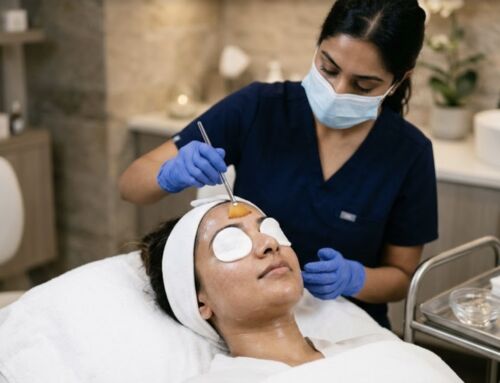
During the Procedure
The process is simple:
- Cleanse the skin
- Apply the solution
- Monitor timing carefully
- Neutralize if needed
You might feel tingling or warmth. That’s normal.
Post-Treatment Recovery

Recovery depends on peel strength:
- Light peeling for mild treatments
- Flaking for medium peels
- More downtime for deeper peels
Do not pick at your skin. This can cause damage.
Results Timeline
You may see:
- Glow within days
- Texture improvement in weeks
- Continued changes over months
Risks, Side Effects, and Safety
Every treatment has risks. You should know them upfront.
Common Side Effects
- Redness
- Peeling
- Sensitivity
Potential Complications
- Hyperpigmentation
- Hypopigmentation
- Rare infection
How to Minimize Risks
You reduce risk by:
- Choosing a qualified provider
- Following aftercare closely
- Avoiding sun exposure
Most complications come from poor aftercare, not the peel itself.
Chemical Peels vs Other Acne Scar Treatments
You have options, and each one works differently.
|
Treatment Type |
How It Works | Best For | Downtime |
Key Considerations |
| Chemical Peels | Removes outer skin layers to trigger cell turnover and collagen production | Mild to moderate scars, discoloration | Minimal to moderate | Gradual results, requires multiple sessions, easier to maintain |
| Laser Resurfacing | Uses focused light energy to reach deeper skin layers and stimulate repair | Moderate to severe scars | Moderate to high | More aggressive, higher cost, longer recovery time |
| Microneedling / RF | Creates controlled micro-injuries to boost collagen below the surface | Deeper scars, uneven texture | Low to moderate | Effective for structural scars, often combined with other treatments |
| Combination Therapy | Uses multiple treatments together for layered skin repair | Mixed scar types and more severe cases | Varies | Often delivers the best results, customized based on skin needs |
Bottom line: No single treatment works for every scar type. In many cases, combining chemical peels with other procedures leads to better, more noticeable improvement.
Why Choose a Medical Spa in Birmingham, MI
Where you go matters just as much as the treatment itself.
Importance of Clinical Expertise
You want someone who understands:
- Skin anatomy
- Treatment depth
- Safety protocols
Personalized Treatment Plans
No two patients are the same.
A good provider will:
- Adjust your treatment over time
- Track your progress
- Modify as needed
Local Accessibility and Follow-Up Care
Consistency matters. Being local makes it easier to:
- Stay on schedule
- Monitor results
- Address concerns quickly
Frequently Asked Questions
1. How many chemical peel sessions do I need for acne scars?
Most people need 3 to 6 sessions spaced a few weeks apart.
2. Are chemical peels painful?
You may feel tingling or mild burning, but it is usually very tolerable.
3. Can chemical peels completely remove acne scars?
No. They improve appearance but do not fully erase deep scars.
4. How long is the downtime after a chemical peel?
It depends on the peel. Some have almost no downtime, others require a few days.
5. Are chemical peels safe for darker skin tones?
Yes, but they must be done carefully to avoid pigmentation issues.
Start Your Acne Scar Treatment Plan Today
If acne scars are still bothering you, the right treatment can make a real difference.
Chemical peels can improve your skin, but the key is choosing the right type, depth, and plan for your specific skin.
The best place to start is with a professional evaluation.
You’ll get a clear understanding of your scar type, what results are realistic, and whether chemical peels alone or a combination approach will work best for you.
Schedule a consultation with R Skin today and get a personalized treatment plan designed around your skin, not a generic solution.
Your skin can improve; you just need the right strategy to get there.