Skin that once looked smooth and radiant can slowly start to feel rough, uneven, and dull. Many people try scrubs, acids, and at-home exfoliation tools, yet the results often feel inconsistent. The surface may look better for a day or two, then the same texture concerns return.
That is where dermaplaning benefits stand out. This treatment addresses a common issue at its source: the buildup of dead skin cells and fine facial hair that interfere with clarity, smoothness, and product absorption. Instead of relying on abrasive or unpredictable methods, dermaplaning uses a controlled, clinical approach to refine the skin’s surface.
You receive more than a temporary glow. You get a treatment that supports how your skin naturally renews itself.
Research in dermatology confirms that consistent exfoliation helps improve cell turnover and overall skin appearance when performed correctly and safely.
At R Skin Aesthetics in Birmingham, MI, this process is not rushed or standardized. Each treatment is guided by clinical judgment, skin analysis, and precise technique, ensuring your results look natural, not overdone.
📋What You’ll Learn From This Article:
Understanding why dermaplaning has become so popular is only the first step. Now, let’s break down what you can expect to learn and how it applies to your skin.
- Top dermaplaning benefits and how they improve texture and tone
- Who is an ideal candidate, and who should avoid treatment
- How dermaplaning compares to other exfoliation methods
- What to expect before, during, and after your appointment
- How to maintain long-term skin health with the right plan
This is not about trends. It is about helping you make informed decisions based on real clinical insight.
What Is Dermaplaning and How It Works (Clinical Overview)

Now that you know what this guide will cover, it helps to start with the foundation. To see real value in dermaplaning, you need to understand how the treatment works at a clinical level.
A Controlled Physical Exfoliation Method
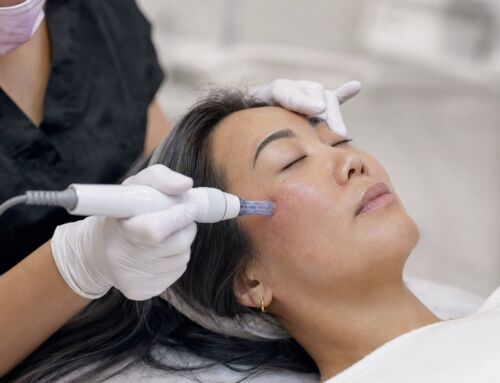
Dermaplaning uses a sterile surgical blade to gently remove the outermost layer of dead skin cells, along with vellus hair, often called peach fuzz. Unlike scrubs or brushes, this method does not rely on friction or chemicals.
You get precise, uniform exfoliation, which matters because uneven exfoliation can lead to irritation or inconsistent results. The blade glides across the skin at a controlled angle, lifting debris without damaging deeper layers.
This makes dermaplaning a strong option if your skin reacts to chemical exfoliants or feels sensitive with traditional methods.
How It Stimulates Skin Renewal
Your skin naturally renews itself every 28 to 40 days. As you age, this process slows. Dead cells linger longer, which leads to dullness and rough texture.
Dermaplaning helps by:
- Encouraging faster cellular turnover
- Smoothing the epidermal surface
- Supporting better hydration and nutrient absorption
Clinical studies on exfoliation confirm that removing excess keratinized cells improves skin appearance and function.
Top 10 Dermaplaning Benefits for Glowing Skin

Once you understand the science behind dermaplaning, the results start to make more sense. Let’s take a closer look at the specific benefits you can expect.
1. Immediate Smoother Skin Texture
You feel the difference right away. Removing dead skin creates a softer, more refined surface.
2. Brighter, More Radiant Complexion
When dull buildup is removed, your skin reflects light more evenly, creating a natural glow.
3. Enhanced Skincare Product Absorption
Products absorb more effectively because they reach the skin instead of sitting on surface debris.
4. Flawless Makeup Application
Because the skin surface is more even, foundation and concealer apply more smoothly with less patchiness and more seamless blending.
5. Safe Removal of Peach Fuzz (Vellus Hair)
Hair does not grow back thicker or darker. Dermaplaning simply removes existing hair at the surface.
6. Reduction in the Appearance of Fine Lines
Smoother skin minimizes the look of fine lines. While not a replacement for injectables, it improves overall skin texture.
7. Helps Minimize Mild Acne and Congestion
Clearing surface debris can reduce clogged pores. Avoid treatment if you have active acne.
8. Non-Invasive with Zero Downtime
You can return to your routine immediately. Most patients experience no peeling or downtime.
9. Safe for Most Skin Types
Dermaplaning works well for many skin types, including sensitive skin, because it exfoliates without relying on harsh chemicals or aggressive abrasion. However, people with active acne should avoid dermaplaning because the blade can further irritate inflamed skin and potentially spread acne-causing bacteria across the treatment area.
10. Supports Long-Term Skin Health
Regular treatments help maintain a balanced skin cycle, leading to clearer, healthier-looking skin over time.
Who Is a Good Candidate for Dermaplaning?
These benefits sound promising, but not every treatment fits every skin type. The next step is determining whether dermaplaning is right for your concerns.
Ideal Skin Types and Concerns
You may benefit if you notice:
- Dry or rough texture
- Uneven tone
- Dull appearance
- Fine facial hair
This treatment works well as part of a broader skincare plan, especially if your goal is consistent improvement rather than quick fixes.
Who Should Avoid Dermaplaning
You should avoid or delay treatment if you have:
- Active acne or inflamed breakouts
- Open wounds or infections
- Certain skin conditions, such as rosacea flare-ups
A professional consultation ensures your skin is ready. This step is critical because improper timing can lead to irritation or delayed healing.
Dermaplaning vs Other Exfoliation Treatments
After identifying if you are a good candidate, it helps to see how dermaplaning compares to other options. This gives you a clearer perspective on where it fits within a complete skincare plan.
|
Treatment Type |
Method | Downtime |
Best For |
| Dermaplaning | Physical exfoliation |
None |
Texture, dullness, peach fuzz |
| Chemical Peels | Acid-based exfoliation |
Mild |
Pigmentation, deeper concerns |
| Microdermabrasion | Mechanical exfoliation |
Minimal |
Surface-level exfoliation |
Key Differences Explained
Dermaplaning offers a high level of precision. Your provider can target the outermost layer of dead skin and fine hair while keeping the surrounding tissue undisturbed.
Other exfoliation treatments, such as chemical peels and microdermabrasion, work differently and can be just as effective depending on your goals. Chemical peels address deeper concerns, while microdermabrasion focuses on surface renewal.
The right choice depends on your skin type, concerns, and desired results. If your skin is sensitive or you prefer a gentle, no-downtime option, dermaplaning can be a strong fit. Many patients benefit from combining treatments in a personalized plan.
What to Expect During a Dermaplaning Treatment at R Skin Aesthetics

Consultation and Skin Assessment
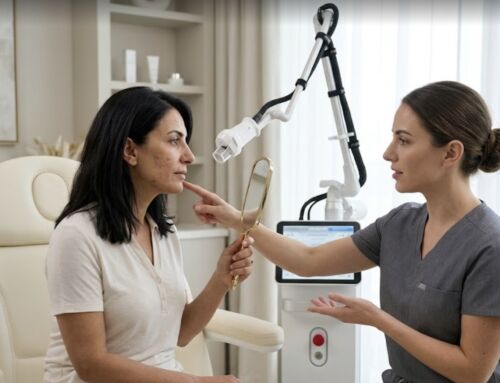
Your treatment begins with a detailed evaluation of your skin, routine, and goals. This ensures the treatment is tailored to you.
Treatment Process
The process includes:
- Gentle cleansing
- Controlled exfoliation using a sterile blade
- Optional hydration or calming treatments
You remain comfortable throughout. The sensation feels like light brushing across the skin.
Aftercare and Immediate Results
You will notice:
- Smoother texture
- Brighter appearance
- Improved softness
Important: Use sunscreen daily. Freshly exfoliated skin is more sensitive to UV exposure.
How Often Should You Get Dermaplaning?
Seeing how the treatment works in real time naturally leads to the next consideration. Consistency plays a key role, so understanding how often to schedule treatments is essential.
Recommended Treatment Frequency
Most patients benefit from treatments every 4 to 6 weeks, aligning with the natural skin cycle.
Factors That Affect Frequency
Your provider may adjust your schedule based on:
- Skin type
- Current routine
- Environmental exposure
Consistency matters more than frequency.
Safety and Clinical Considerations

With timing established, it is just as important to address safety. Knowing how dermaplaning is performed correctly helps you avoid unnecessary risks and protect your skin.
Why Professional Dermaplaning Matters
At-home tools cannot match clinical precision. Risks include:
- Cuts or abrasions
- Infection from non-sterile tools
- Uneven exfoliation
A trained provider controls depth, pressure, and technique.
Evidence-Based Skin Care Practices
Dermatologic research supports controlled exfoliation as a safe way to improve skin renewal when performed correctly.
Why Choose R Skin Aesthetics for Dermaplaning in Birmingham, MI
The quality of your results depends not only on the treatment itself, but also on the experience and precision of the provider performing it. Choosing a medically guided practice helps ensure your skin receives the level of care, customization, and safety it deserves.
Medical Expertise You Can Trust
Treatments are guided by Raquel Merlini, RN, BSN, with advanced clinical experience. Care is grounded in medical knowledge, not trends.
Personalized, Natural-Looking Results
- Each plan focuses on enhancing your natural features while avoiding over-treatment.
Comprehensive Skin Rejuvenation Options
Dermaplaning can be combined with:
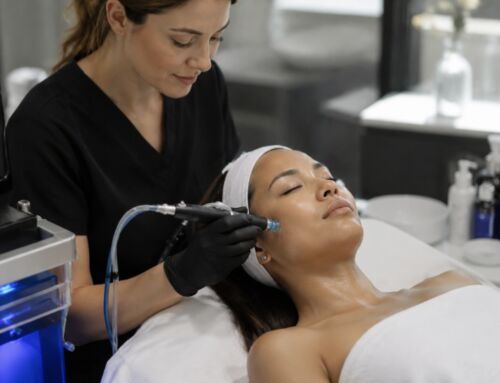
- Hydra facials
- Diamond Glow treatments
- Customized skincare
This allows you to build a plan that supports long-term skin health.
FAQs About Dermaplaning in Birmingham, MI
1. What are the main dermaplaning benefits for your skin?
Dermaplaning benefits include smoother texture, brighter tone, and better product absorption. It also helps your makeup apply more evenly.
2. Does dermaplaning make hair grow back thicker?
No. Hair grows back at the same rate and texture. This treatment does not change hair structure.
3. How often should you schedule dermaplaning treatments in Birmingham, MI?
You should plan treatments every 4 to 6 weeks. This matches your natural skin renewal cycle.
4. Is dermaplaning safe for sensitive skin?
Yes, many patients with sensitive skin tolerate dermaplaning well. A professional assessment ensures safety.
5. Can dermaplaning help with acne?
It can help with mild congestion, but you should avoid it if you have active acne. Your provider can suggest safer alternatives.
Final Words – A Simple Step Toward Healthier, Glowing Skin
Dermaplaning offers a precise way to improve texture, tone, and clarity. It removes buildup while supporting natural renewal.
You get immediate results with no downtime, along with long-term benefits through consistent care.
If you are ready for smoother, brighter skin, schedule your personalized dermaplaning consultation at R Skin Aesthetics in Birmingham, MI.