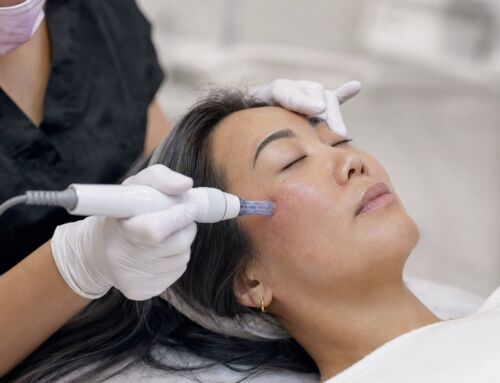
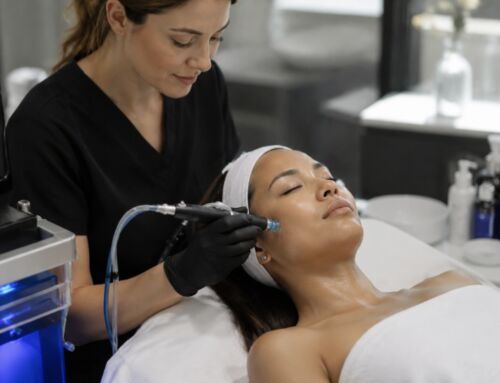
A loss of cheek volume can change the way the entire face looks. Cheeks that once appeared lifted and defined may begin to look flatter, smile lines can become more noticeable, and facial contours may lose some of their natural support.
Cheek filler is a popular non-surgical treatment that can restore volume in the midface, enhance cheekbone definition, and create a refreshed appearance while still looking like yourself. When performed thoughtfully and conservatively, cheek filler can support facial balance rather than dramatically change your features.
At R Skin Aesthetics, patients throughout Birmingham, Detroit, and Oakland County, Michigan, often seek cheek filler to achieve natural-looking results rather than an overdone appearance. Every treatment begins with a personalized consultation and a careful assessment of your facial anatomy, goals, and overall skin health.
What You’ll Learn From This Article
- Why the cheeks play such a significant role in facial aging
- How cheek filler works and the types of fillers commonly used
- Ways cheek filler can improve facial balance and contour
- What to expect before, during, and after treatment
- How long results typically last and what affects longevity
- Whether cheek filler may be a good fit for your goals
- Why injector experience matters when considering treatment
Why the Cheeks Play Such an Important Role in Facial Aging
The cheeks do more than create facial shape. They provide structural support that influences the appearance of the eyes, mouth, jawline, and overall facial proportions.
As facial volume changes with age, the effects often become visible throughout the face.
How Facial Volume Changes Over Time
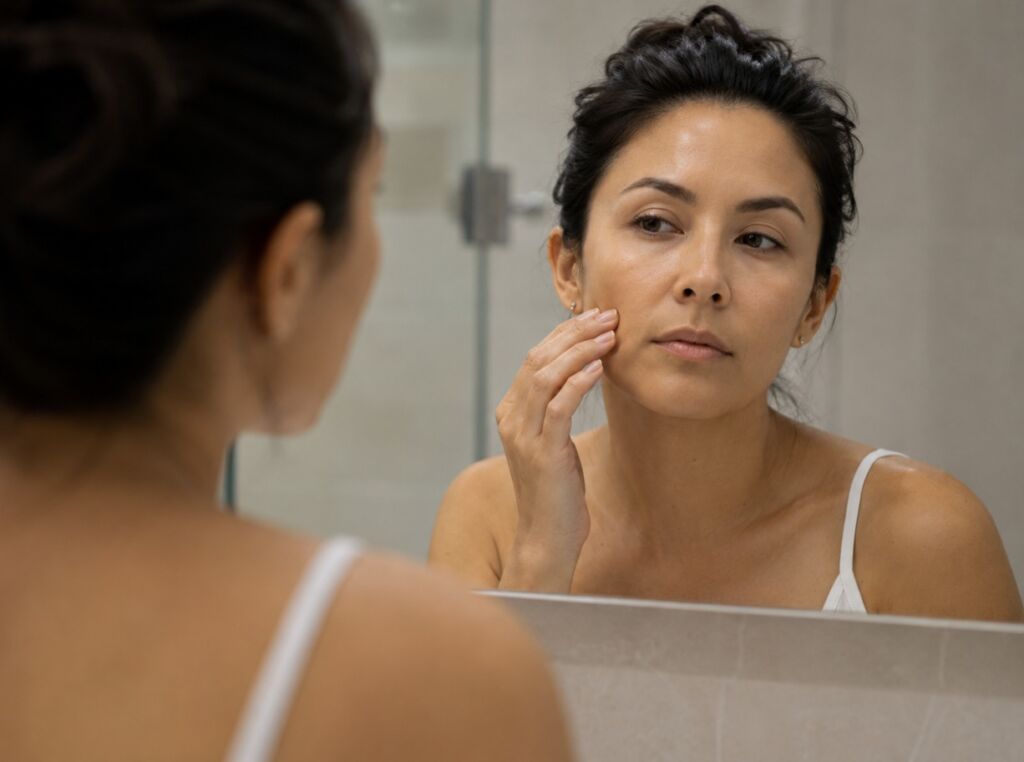
Many people associate aging with wrinkles alone, but volume loss is often one of the most important contributors to an older appearance.
Over time, collagen production decreases, facial fat compartments shift, and the underlying facial structure gradually changes. Research published in the Aesthetic Surgery Journal has shown that facial aging involves changes to bone, fat, skin, and connective tissues that affect facial support and contour.
These natural changes can contribute to:
- Flatter cheeks
- Reduced cheekbone definition
- Less facial firmness
- Hollow areas in the midface
- More visible signs of aging
The midface is frequently one of the first areas where these changes become noticeable.
How Volume Loss Affects Other Areas of the Face
When the cheeks lose support, surrounding tissues may shift downward.
As a result, patients often notice:
- More visible nasolabial folds
- Increased shadowing beneath the eyes
- Loss of facial contour
- A tired appearance despite feeling well rested
For this reason, many experienced injectors evaluate the entire face rather than focusing on a single wrinkle or fold.
Understanding how cheek volume affects facial balance makes it easier to see why filler placement requires a customized approach.
What Is Cheek Filler?
Cheek filler is a cosmetic injectable treatment designed to restore volume, improve contour, and support facial structure.
Unlike plastic surgery, cheek filler treatments are performed in the office and typically involve minimal downtime.
Understanding Dermal Fillers for Midface Enhancement
A dermal filler is a gel-like material placed beneath the skin through carefully planned injections.
The purpose is not simply to make the cheeks larger. Instead, treatment is designed to restore support where volume has been lost and improve facial harmony.
Depending on your goals, cheek filler may help:
- Restore age-related volume loss
- Enhance cheekbone contour
- Improve facial proportions
- Support surrounding tissues
- Create a more youthful appearance
The amount of filler used varies based on your facial structure, anatomy, and desired outcome.
Common Areas Treated With Cheek Filler
Cheek filler treatment often focuses on multiple areas of the midface, including:
- Upper cheeks
- Midface support points
- Lateral cheekbones
- Areas contributing to facial contour
Strategic placement allows providers to create subtle enhancements while preserving natural facial movement and expression.
Once the treatment goals are established, the next step is determining which type of filler may be most appropriate.
Types of Fillers Used for Cheek Enhancement
Not all fillers work the same way. Different products offer different benefits depending on your anatomy and aesthetic goals.
Hyaluronic Acid Fillers
Many cheek filler treatments use hyaluronic acid filler products.
Hyaluronic acid is a substance naturally found within the body that helps maintain hydration and volume in the skin. Because hyaluronic acid naturally occurs in human tissues, fillers made from it have become a common choice for facial rejuvenation.
Products such as Restylane are frequently used to restore volume, improve contour, and provide structural support in the cheeks.
Potential benefits include:
- Immediate volume enhancement
- Flexible treatment options
- Natural movement within facial tissues
- Adjustable long-term treatment planning
Poly-L-Lactic Acid and Collagen Stimulation
Sculptra works differently from traditional hyaluronic acid fillers.
Rather than creating immediate volume through a gel, Sculptra contains poly-L-lactic acid, which stimulates collagen production over time. Patients often appreciate Sculptra because it addresses age-related collagen loss while creating a gradual, natural-looking improvement.
Which Type of Filler Is Right for You?
The best type of filler depends on several factors, including:
- Degree of volume loss
- Facial anatomy
- Skin quality
- Previous treatments
- Desired timeline for results
Some patients benefit from hyaluronic acid filler, while others may be better candidates for collagen stimulators such as Sculptra. In many cases, a comprehensive treatment plan may involve more than one approach.
Selecting the right product is only one part of achieving a natural result. The way filler is used matters just as much.
Benefits of Cheek Filler Beyond Adding Volume
Many people initially consider cheek fillers to achieve fuller cheeks. However, volume restoration can influence several areas of the face.
Restoring Facial Balance
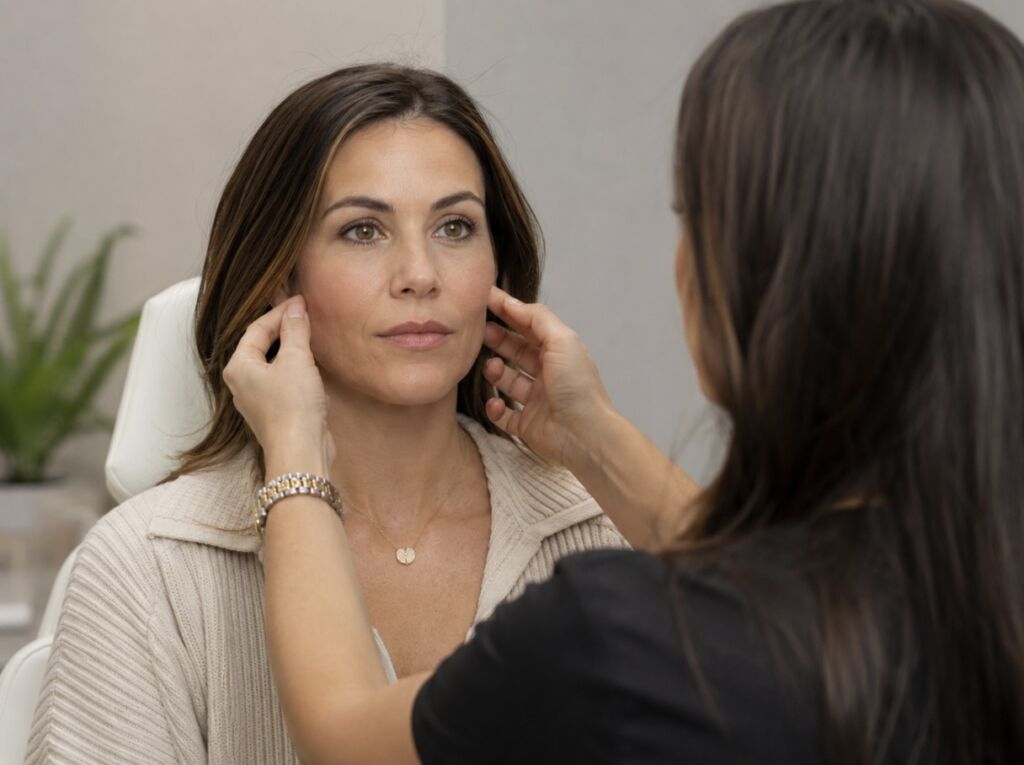
The cheeks act as a central support structure.
When volume is appropriately restored, patients often notice improved balance among the upper, middle, and lower portions of the face.
Rather than drawing attention to a specific feature, treatment often creates a more harmonious appearance overall.
Enhancing Cheekbone Definition
Some patients naturally have flatter cheek contours and are interested in subtle augmentation.
Strategic filler placement can help improve:
- Cheekbone definition
- Midface contour
- Facial structure
- Overall balance
The goal is refinement, not dramatic alteration.
Softening Nasolabial Folds and Early Signs of Aging
Volume loss in the cheeks often contributes to the appearance of deeper smile lines.
By restoring midface support, cheek filler may indirectly help soften nasolabial folds. This approach frequently creates a more natural result than treating lower facial lines alone.
Supporting Natural-Looking Results
One of the most common concerns patients express is the fear of looking overfilled.
Natural-looking outcomes typically come from:
- Conservative treatment planning
- Appropriate filler selection
- Strong anatomical knowledge
- Respect for individual facial proportions
At R Skin Aesthetics, treatment recommendations are designed around your facial structure and goals rather than social media trends.
Once patients understand the potential benefits, many want to know exactly what happens during the procedure itself.
What Happens During a Cheek Filler Appointment?
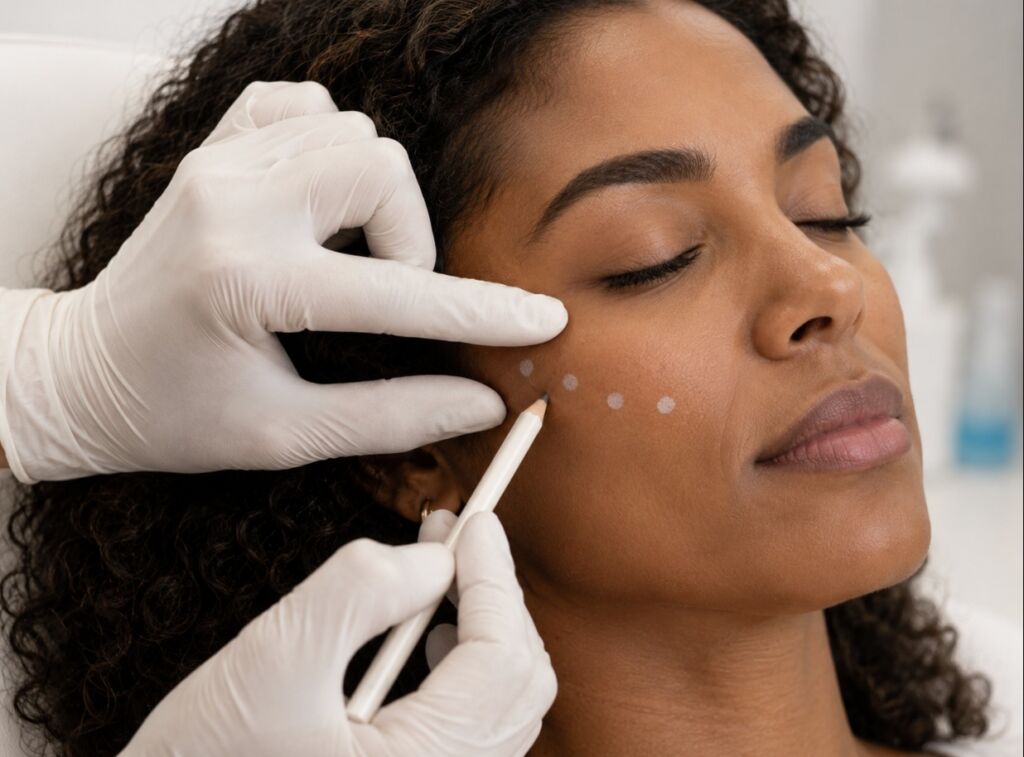
A consultation and treatment appointment is designed to be informative, comfortable, and personalized.
Consultation and Facial Assessment
Every treatment begins with a detailed facial assessment.
Raquel Merlini, CANS, has accumulated more than 20,000 hours as an aesthetic injector and has extensive training in facial anatomy, aging, aesthetic injections, skin care, laser treatments, and surgical procedures.
During your consultation, factors that may be evaluated include:
- Facial anatomy
- Volume loss patterns
- Skin quality
- Previous aesthetic treatments
- Personal goals
- Medical history
This evaluation helps determine whether cheek filler is the most appropriate treatment option.
Preparing for Treatment
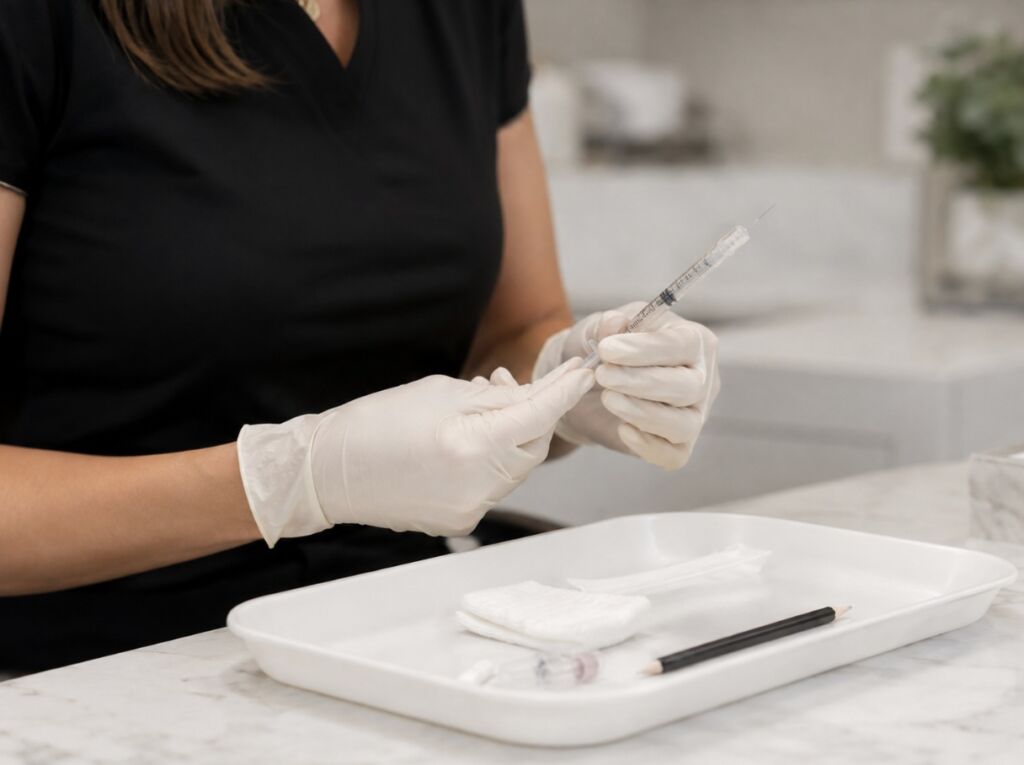
Preparation is typically straightforward.
Patients receive guidance on treatment expectations, potential side effects, and factors that may increase the risk of bruising.
Questions are encouraged so that patients feel comfortable and informed before proceeding.
The Injection Process
The treatment area is cleansed thoroughly before injections begin.
Many fillers contain lidocaine, and additional numbing options may be used when appropriate.
Depending on the treatment plan, the provider may use a needle or cannula to place filler at carefully selected injection sites.
Throughout the procedure, facial balance and contour are continually evaluated to support natural-looking enhancement.
Understanding the treatment process is important, but safety and recovery are equally important considerations.
Recovery, Side Effects, and Safety Considerations
Cheek filler is generally well tolerated, but every cosmetic procedure carries potential risks and temporary side effects.
What to Expect After Treatment
Following treatment, it is common to experience:
- Mild swelling
- Tenderness
- Temporary redness
- Minor firmness at the injection site
Most patients resume normal daily activities shortly after treatment.
Bruising and Other Common Side Effects
A bruise may occur whenever a needle or cannula passes through small blood vessels beneath the skin.
Other temporary side effects can include:
- Mild swelling
- Tenderness
- Temporary asymmetry during healing
- Small areas of firmness
These effects generally improve as healing progresses.
Why Injector Experience Matters
Research examining filler safety highlights the importance of understanding facial vascular anatomy and proper injection technique to reduce complications.
Choosing a qualified injector helps support:
- Appropriate product selection
- Safe treatment planning
- Proper injection technique
- Natural-looking outcomes
- Early recognition of complications
For many patients, understanding the expected lifespan of the results is the next step in the decision-making process.
How Long Does Cheek Filler Last?

Longevity varies based on the type of filler used and individual factors.
Factors That Influence Longevity
Several factors affect how long results may remain visible, including:
- Type of filler
- Individual metabolism
- Treatment area
- Lifestyle factors
- Amount of product used
Many hyaluronic acid fillers used in the cheeks may last approximately 12 to 24 months, although results vary by patient.
Maintenance Treatments and Long-Term Planning
Many patients choose maintenance treatments before volume loss fully returns.
This approach allows for gradual adjustments and often supports a more natural appearance over time.
Combining Cheek Filler With Other Treatments
Cheek filler is often one component of a broader aesthetic plan.
Depending on your goals, treatment may be combined with:
- Botox
- Dysport
- Sculptra
- Microneedling
- Chemical peels
- IPL treatments
- Laser Genesis
- Skin rejuvenation services
A thoughtful treatment strategy often addresses volume, skin quality, texture, and collagen support together.
The final question many patients ask is whether they are a good candidate for treatment in the first place.
Who Is a Good Candidate for Cheek Filler?
Not every patient seeking facial rejuvenation needs filler.
A consultation helps determine which treatment options best match your goals.
Common Reasons Patients Seek Treatment
Patients often consider cheek filler for:
- Age-related volume loss
- Flat or hollow cheeks
- Reduced cheekbone definition
- Early signs of facial aging
- Mild facial asymmetry
- Improved facial contour
When Another Treatment May Be More Appropriate
In some situations, other procedures may better address the underlying concern.
Examples include:
- Significant skin laxity
- Advanced tissue descent
- Primarily, skin texture concerns
- Extensive sun damage
A personalized evaluation helps identify the most appropriate path forward.
The Importance of a Personalized Consultation
No two faces age exactly the same way.
The most effective treatment plans consider your anatomy, goals, skin quality, and long-term maintenance preferences before making recommendations.
Cheek Filler Treatment Overview
| Concern | Cheek Filler May Help | Other Treatments That May Be Considered |
|---|---|---|
| Flat or hollow cheeks | Yes | Sculptra |
| Reduced cheekbone definition | Yes | Limited alternatives |
| Volume-related nasolabial folds | Often | Combination treatment |
| Fine lines from texture changes | Sometimes | Microneedling, lasers, peels |
| Loss of facial firmness | May help | Sculptra, collagen stimulation treatments |
| Significant skin laxity | Limited improvement | Surgical consultation |
Why Birmingham and Detroit Patients Choose R Skin Aesthetics
Patients throughout Birmingham, Detroit, Bloomfield Hills, Royal Oak, Troy, Rochester Hills, West Bloomfield, and surrounding Oakland County communities often want a provider who values both artistry and safety.
Expert-Led Care From Raquel Merlini, CANS
Raquel’s background combines extensive clinical training with years of hands-on aesthetic experience.
Her work alongside plastic surgery specialists, advanced injector education, and a deep understanding of facial anatomy allows her to develop treatment plans that support balanced, natural-looking results.
A Personalized Approach Focused on Natural Results
Many patients are not looking for a dramatic change. They simply want to look refreshed, healthy, and confident.
At R Skin Aesthetics, treatment recommendations focus on:
- Natural-looking enhancement
- Clinical safety
- Patient education
- Long-term planning
- Individualized care
Care That Starts With Listening
Every consultation begins with understanding your goals.
Raquel takes time to evaluate your concerns, answer questions, and develop a customized plan that reflects your preferences rather than a one-size-fits-all treatment philosophy.
Cheek Filler in Birmingham & Detroit, MI: A Natural Approach to Facial Rejuvenation
Cheek filler can restore volume, enhance facial contour, and support a refreshed appearance without surgery. The key is choosing a treatment plan that respects your natural features and aligns with your long-term goals.
Thoughtful filler placement, appropriate product selection, and an experienced injector all play important roles in achieving balanced results.
If you are considering cheek filler in Birmingham, Detroit, or the surrounding Oakland County area, a personalized consultation can help you understand your options and determine which treatment approach best fits your needs.
Frequently Asked Questions About Cheek Filler in Birmingham & Detroit
1. How much cheek filler do most patients need?
The amount varies based on facial anatomy, volume loss, and treatment goals. Some patients may benefit from one or two syringes, while others require a more comprehensive treatment plan.
2. Does cheek filler look natural?
When performed conservatively by an experienced injector, cheek filler can create a subtle enhancement that maintains natural facial expressions and proportions.
3. How long does cheek filler last?
Many hyaluronic acid cheek filler treatments last between 12 and 24 months. Results vary depending on the product used and individual factors.
4. Is cheek filler painful?
Most patients tolerate treatment well. Many filler products contain lidocaine, and additional numbing options may be used to improve comfort during injections.
5. What is the difference between cheek filler and Sculptra for facial volume loss?
Traditional cheek filler provides immediate volume through a gel-like filler, while Sculptra stimulates collagen production gradually over time using poly-L-lactic acid.
Ready to Restore Volume With Cheek Filler?
Interested in learning whether cheek filler is right for your goals?
Schedule a personalized consultation at R Skin Aesthetics in Birmingham, MI. Raquel Merlini, CANS, takes the time to evaluate your facial anatomy, discuss your concerns, and create a customized treatment plan focused on natural-looking results that complement your features and support long-term confidence.