Dull texture, uneven tone, acne marks, and sun damage can make skin look less clear even when you follow a consistent skin care routine. A chemical peel for face treatment may help by removing damaged surface cells in a controlled way, allowing smoother and more even-looking skin to emerge as the area heals.
The right peel should match your skin type, skin tone, concerns, and comfort with downtime. At R Skin Aesthetics, treatment planning starts with a careful consultation, clear education, and an honest discussion about what a peel can and cannot improve.
What You’ll Learn From This Article
- How light, medium, and deep chemical peels differ
- Which skin concerns can a facial peel help improve
- What happens during a chemical peel appointment
- How much redness, peeling, and downtime to expect
- Why skin tone, sun exposure, and aftercare matter
- How to decide whether a peel fits your long-term skin plan
What Is a Chemical Peel and How Does It Work?
A chemical peel is a skin resurfacing treatment that uses a carefully selected chemical solution to loosen damaged skin cells. Those cells are shed during the healing process, revealing new skin that may look smoother, brighter, and more even.
The word “chemical” can sound harsh, but peel intensity varies considerably. A light peel affects the outermost layer of skin, while a medium or deep peel reaches further below the surface. The ingredient, concentration, pH, application time, number of layers, and your individual skin response all influence the result.
Some solutions must be neutralized after application. Others stop working on their own or follow a specific removal process. Your provider monitors the skin closely and adjusts treatment according to the formula being used.
The American Society for Dermatologic Surgery explains that chemical peels may be used for concerns such as acne scars, hyperpigmentation, sun damage, age spots, and wrinkles. It also notes that newly treated skin becomes more sensitive to sun exposure.
Understanding how the treatment works makes it easier to see why choosing the correct depth matters so much.
What Can a Chemical Peel for the Face Treat?
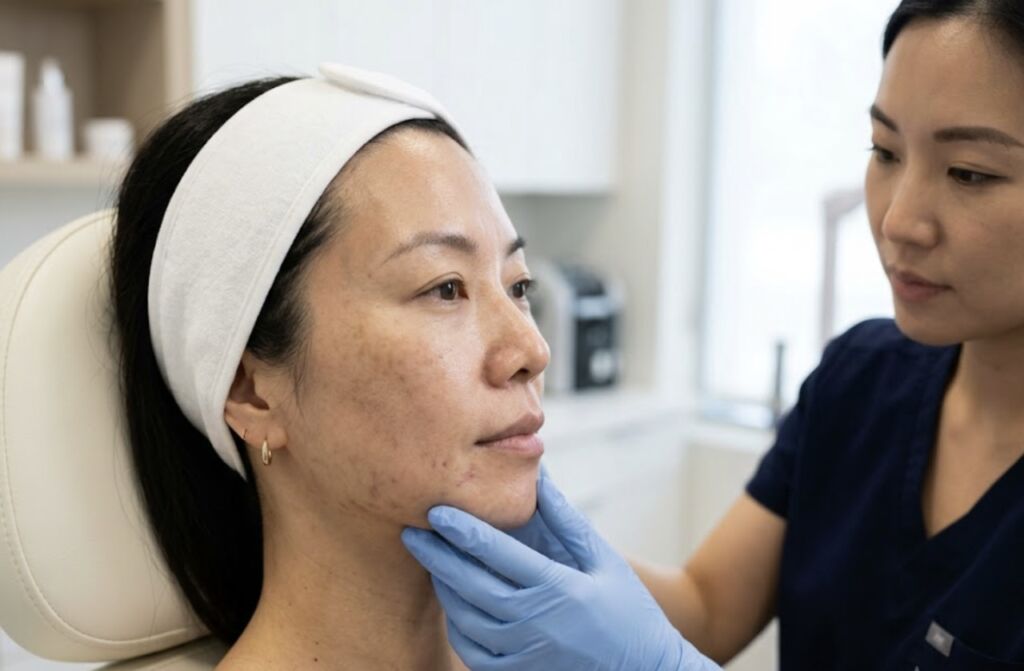
Chemical peels may improve several common skin concerns, but they do not treat every issue in the same way. The location and cause of the concern often determine how much improvement is realistic.
Several of the most common reasons people consider treatment include changes in pigmentation, texture, and clarity, as well as early signs of aging.
Uneven Skin Tone and Hyperpigmentation
A peel may soften the appearance of sun spots, mild hyperpigmentation, post-acne marks, and uneven pigmentation. Results depend partly on how deep the discoloration sits within the skin.
Persistent melasma or deeper pigment concerns often require a broader plan. Daily sunscreen, carefully selected products, and professionally timed treatments may all play a role.
Peel selection requires extra care for skin prone to post-inflammatory hyperpigmentation. An aggressive treatment can make discoloration more noticeable instead of improving it.
Acne and Congested Skin
Certain superficial peels may help remove excess skin cells and surface buildup that contribute to clogged pores. Salicylic acid is commonly considered for oily or acne-prone skin because it can penetrate oil in the pores.
A peel does not replace medical acne treatment when breakouts are severe, cystic, painful, or causing significant scarring. Active irritation, open lesions, or a weakened skin barrier may also be reasons to delay treatment.
Acne Scars and Rough Texture
Chemical peels can sometimes improve mild texture changes and dark marks left after acne. They are less likely to correct deep or indented acne scars on their own.
Microneedling, IPL, Laser Genesis, Pearl Fractional, or another treatment may be more appropriate depending on the scar type, skin tone, and desired outcome. In some cases, a provider may recommend a combined treatment plan rather than relying on one procedure.
Fine Lines, Sun Damage, and Dullness
A light or medium peel may soften mild fine lines, roughness, freckles, and visible signs of sun exposure. It may also help skin appear fresher when dead cells make the surface look dull.
A chemical peel does not lift loose skin, restore lost facial volume, or replace treatments that address muscle movement. Matching the treatment to the actual concern keeps expectations realistic.
These differences lead to one of the most important decisions in treatment planning: choosing the correct peel depth.
Light, Medium, and Deep Chemical Peels Compared
Chemical peels fall into three main categories. Each reaches a different level of the skin and involves its own treatment experience, healing period, and risk profile.
| Type of chemical peel | Typical depth | Common concerns | General healing period |
|---|---|---|---|
| Light peel | Outer skin layer | Dullness, congestion, mild discoloration, rough texture | About 1 to 7 days |
| Medium peel | Outer and middle skin layers | Fine lines, moderate pigmentation, roughness, and selected scars | About 7 to 14 days |
| Deep peel | The deeper portion of the middle skin layer | Advanced sun damage, deeper lines, selected scars | About 14 to 21 days or longer |
These ranges are general estimates. Healing varies with the chemical solution, treatment strength, skin condition, and aftercare.
Light or Superficial Peel
A light peel works on the outermost layer of the skin. It may contain glycolic acid, salicylic acid, another alpha hydroxy acid, or a similarly mild formula.
This type of chemical peel is often selected for mild discoloration, surface roughness, congestion, or routine skin maintenance. Redness, dryness, and light flaking may occur, although not everyone experiences obvious peeling.
Light peels are often performed as a series. Improvement tends to be gradual rather than dramatic after one appointment.
Medium Peel
A medium peel reaches beyond the surface into the upper portion of the middle skin layer. Glycolic acid or trichloroacetic acid, also known as TCA, may be used.
This level may be considered for more noticeable pigmentation, fine lines, rough texture, and selected superficial scars. Recovery can include redness, swelling, crusting, and visible peeling.
A medium peel requires more preparation and aftercare than a superficial treatment. It also requires a realistic plan for several days of visible healing.
Deep Chemical Peel
A deep chemical peel is a medical procedure rather than a routine facial service. It may use phenol or a stronger TCA formula to reach deeper layers of the skin.
The American Academy of Dermatology states that deep peels require a surgical setting, anesthesia, wound care, and close follow-up. A person generally receives only one deep peel.
Deep peels are not standard maintenance treatments. They require careful patient selection and appropriate medical oversight.
Once the peel category is understood, the next question is how a provider decides which option is appropriate for your skin.
How the Right Peel Is Selected for Your Skin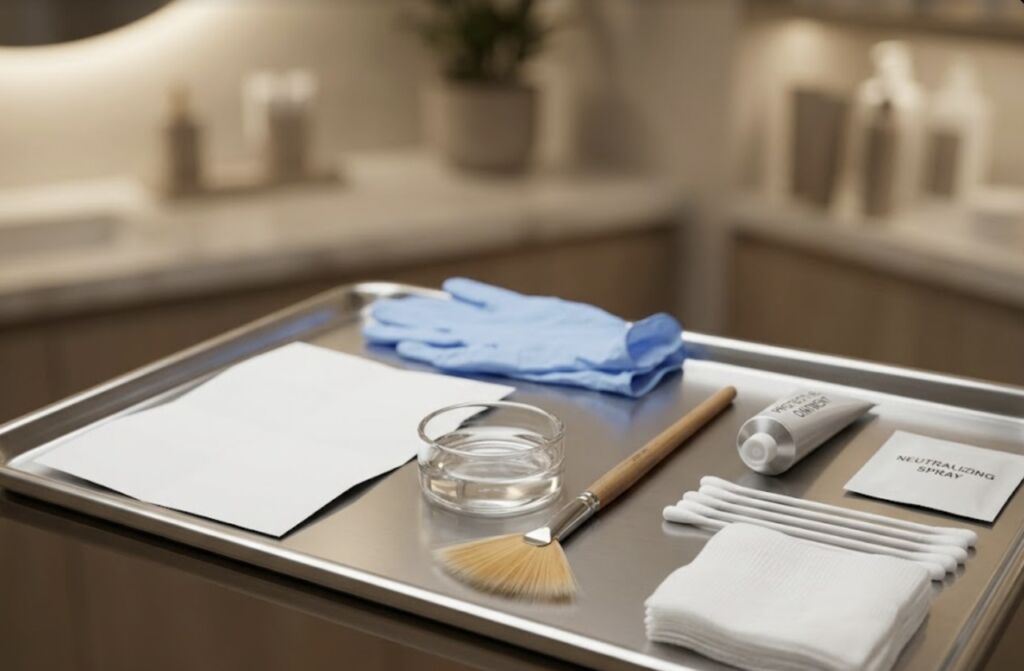
The strongest peel is not automatically the best peel. Treatment should be chosen according to your skin, goals, medical history, and tolerance for downtime.
During a consultation, your provider may review:
- Skin type and sensitivity
- Skin tone and pigmentation history
- Active acne, redness, or irritation
- History of cold sores
- Current medications and topical products
- Recent waxing, laser treatments, or exfoliation
- Previous reactions to peels
- Recent tanning or sun exposure
- Desired level of improvement
- Available recovery time
People with deeper skin tones can receive chemical peels, but the solution, depth, preparation, and aftercare require thoughtful selection. Skin that develops pigmentation easily may need a more conservative approach.
At R Skin Aesthetics, Raquel Merlini, RN, BSN, takes time to understand the concern before recommending treatment. Her clinical background and experience working alongside the Chief of Plastic Surgery at Beaumont Troy support a careful, medically informed approach.
The recommendation may be a light peel, a customized skin care plan, Diamond Glow, Skinwave, microneedling, or a laser treatment. In some cases, the best decision is to postpone treatment until the skin barrier is healthier.
A careful consultation also helps you prepare correctly before the appointment.
How to Prepare for a Facial Chemical Peel
Preparation varies according to the peel solution and depth. Some people may need a pre-treatment skin care plan for several weeks, while others receive only a short list of product restrictions.
Your provider may ask you to pause retinoids, glycolic acid, salicylic acid, scrubs, waxing, or other irritating products for a specified period. Do not stop a prescription medication unless the prescribing clinician or treating provider advises you to do so.
Before treatment, share any history of:
- Cold sores
- Recent sunburn or tanning
- Active infection
- Open or irritated skin
- Abnormal or raised scarring
- Recent facial procedures
- Prescription skin treatments
- Pregnancy or breastfeeding
Scheduling matters too. A medium peel just before a wedding, vacation, work presentation, or professional photo session may not leave enough time for redness and peeling to settle.
Birmingham and Detroit weather can also affect recovery. Cold conditions may increase dryness, while brighter months may bring more sun exposure. Consistent sunscreen remains important year-round.
With preparation in place, the appointment itself is usually straightforward and carefully monitored.
What Happens During a Chemical Peel Appointment?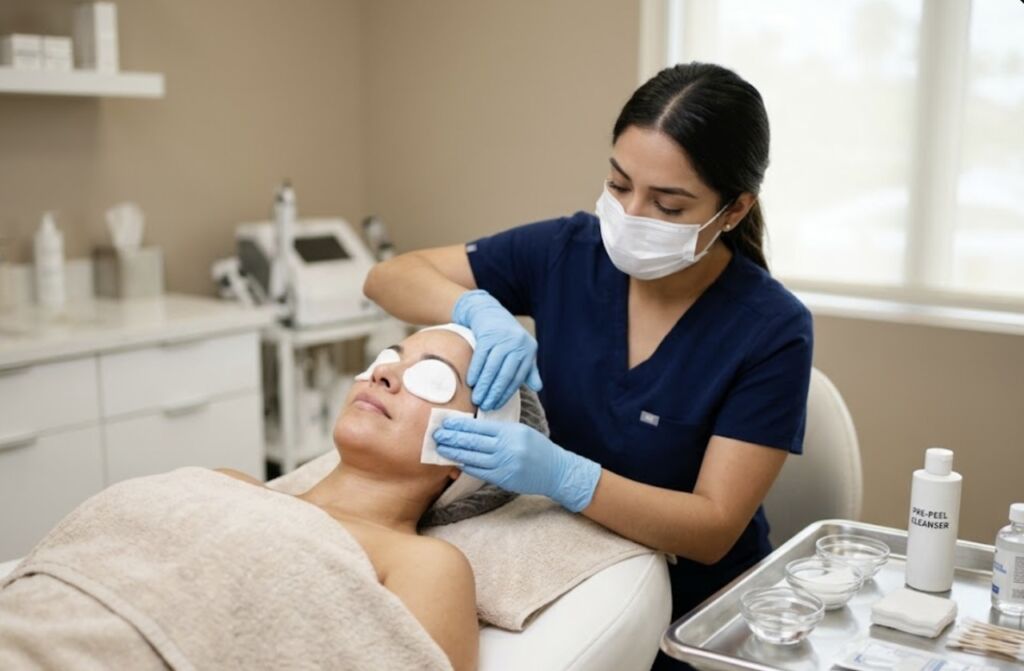
A chemical peel appointment begins with a skin check. Your provider confirms that there has been no recent sunburn, irritation, medication change, or other reason to delay treatment.
The face is then cleansed and degreased so the solution can be applied evenly. Sensitive areas may be protected before treatment begins.
Application of the Chemical Solution
The provider applies the solution in a controlled pattern. You may feel tingling, warmth, stinging, or tightness. The sensation depends on the acid, peel depth, treatment time, and your own sensitivity.
The provider closely monitors the skin throughout the process. Skin response matters just as much as the clock.
Neutralization and Post-Treatment Care
Some formulas are neutralized or removed after a set period. Other solutions complete their action without a separate neutralizing step.
Afterward, your provider may apply a moisturizer, protective ointment, cooling product, or sunscreen. You should leave with clear instructions for cleansing, moisturizing, product use, and sun protection.
Those instructions become especially important during the first several days of healing.
Chemical Peel Recovery and Aftercare
Recovery depends on peel depth and how your skin responds. A light peel may cause only mild dryness or flaking. A medium peel can lead to more visible redness, swelling, crusting, and peeling.
During the first few days, you may notice:
- Tightness
- Redness
- Dryness
- Flaking
- Temporary sensitivity
- Mild swelling
- Crusting after some medium peels
Not everyone peels in large sheets. A limited amount of visible peeling does not necessarily mean the treatment was ineffective.
Do not pick, pull, scratch, or scrub peeling skin. Removing it before it is ready can increase irritation and may raise the risk of pigment changes or scarring.
You may need to avoid retinoids, exfoliating acids, scrubs, waxing, tanning, heat, and additional resurfacing procedures until your provider clears them.
Use a gentle cleanser, recommended moisturizer, and broad-spectrum sunscreen. Contact the treating provider if burning, pain, swelling, blistering, drainage, or another symptom becomes more intense than expected.
Good aftercare protects the healing skin and can influence how evenly the final result develops.
When Will You See Results?
Results become easier to assess once redness and peeling settle. The skin may gradually look smoother, brighter, and more even.
A light peel often creates subtle improvement and may work best as part of a planned series. A medium peel can produce a more noticeable change, but it also involves more downtime.
Stronger treatment does not always produce a better outcome. The safest option is the one suited to your skin type, skin tone, concern, and healing capacity.
Results are not permanent because skin continues to age and collect new sun damage. Daily sunscreen, appropriate home products, and properly timed maintenance treatments may help support the improvement.
A chemical peel can also fit into a longer-term plan that includes facials, microneedling, IPL, or laser resurfacing when appropriate.
Before deciding, it also helps to understand the possible risks and limitations.
Chemical Peel Risks and Limitations
Chemical peels can cause side effects even when performed carefully. The likelihood and severity tend to increase with peel depth.
Possible risks include:
- Persistent redness
- Temporary darkening
- Lightening of the skin
- Infection
- Scarring
- Cold sore reactivation
- Uneven pigment changes
Smoking and unprotected sun exposure may interfere with healing. Active infection, open skin, severe irritation, or recent sunburn may be reasons to postpone treatment.
A cosmetic peel should not replace evaluation of a suspicious or precancerous skin change. Although certain medical peels may be used for selected precancerous lesions, any concerning growth should be assessed by a qualified medical professional.
A peel may soften mild lines, surface pigmentation, and selected acne scars. It cannot erase deep scars, tighten significant skin laxity, or prevent future aging and sun damage.
A consultation can help determine whether those limitations still align with what you hope to improve.
Is a Chemical Peel Right for Your Skin?
A chemical peel may be worth considering if you want to improve dullness, rough texture, mild discoloration, congestion, selected acne concerns, or early fine lines.
Another treatment may be more suitable when the main concern is deep acne scarring, significant laxity, facial volume loss, or deeper wrinkles. Your schedule may also influence the decision if you cannot accommodate visible peeling or redness.
A personalized consultation allows you to compare a chemical peel for face in Birmingham and Detroit with other options such as Diamond Glow, Skinwave, microneedling, IPL, Laser Genesis, Pearl Fractional, or a customized home routine.
The goal is not to choose the most aggressive procedure. It is to build a plan that feels appropriate for your skin, comfort level, and long-term priorities.
Frequently Asked Questions About Chemical Peels
1. How long does a chemical peel take to heal?
A light peel may heal in about 1 to 7 days. A medium peel often needs seven to fourteen days. Deep peels may require two to three weeks or longer. Your exact recovery depends on the formula, depth, skin response, and aftercare.
2. Is a chemical peel for face good for acne scars?
A chemical peel may improve surface discoloration and mild textural changes. Deep or indented acne scars often require additional treatment, such as microneedling, laser resurfacing, or a combination.
3. Which type of chemical peel is best for hyperpigmentation?
There is no single best peel for everyone. The correct choice depends on the cause of the pigmentation, your skin tone, sensitivity, treatment history, and risk of post-inflammatory darkening.
4. Can I wear makeup after a chemical peel?
Makeup may be permitted soon after some light peels. Medium and deep peels require more healing time. Do not apply makeup to open, blistered, or incompletely healed skin. Follow the instructions provided after treatment.
5. How often can I get a chemical peel for my face?
Light and some medium peels may be repeated at professionally selected intervals. Timing depends on the solution, treatment goal, skin response, and home care routine. Deep chemical peels are not used as recurring maintenance treatments.
Start With a Personalized Skin Plan in Birmingham
A chemical peel can support smoother texture, clearer-looking skin, and more even tone when the solution and depth are carefully matched to the individual. The best results begin with realistic expectations, thoughtful preparation, and consistent aftercare.
At R Skin Aesthetics, your concerns come first. You receive clear guidance, honest recommendations, and a treatment plan designed around your skin rather than current trends.
Schedule a personalized aesthetic consultation at R Skin Aesthetics in Birmingham to determine whether a chemical facial peel or another skin-rejuvenation option aligns with your goals.