A chemical peel can leave your skin looking and feeling different for several days after treatment. Dryness, tightness, redness, and flaking may all be part of recovery, and knowing what to do during that time can make the experience feel much more manageable.
The goal of chemical peel aftercare is not to make your skin peel faster. It is to protect healing skin while it completes its natural renewal process.
At R Skin Aesthetics in Birmingham, we approach aftercare the same way we approach treatment: thoughtfully and personally. Your peel, skin type, current skincare routine, and treatment goals all matter when deciding what your skin needs next.
What You’ll Learn From This Article
- How to cleanse your skin without adding unnecessary irritation
- Why moisturizer matters while your skin is dry or flaking
- How sunscreen protects newly treated skin
- Why picking at peeling skin can interfere with recovery
- Which skincare products, workouts, and heat-based activities may need to wait
- When redness or other symptoms are worth discussing with your provider
What Happens to Your Skin After a Chemical Peel?
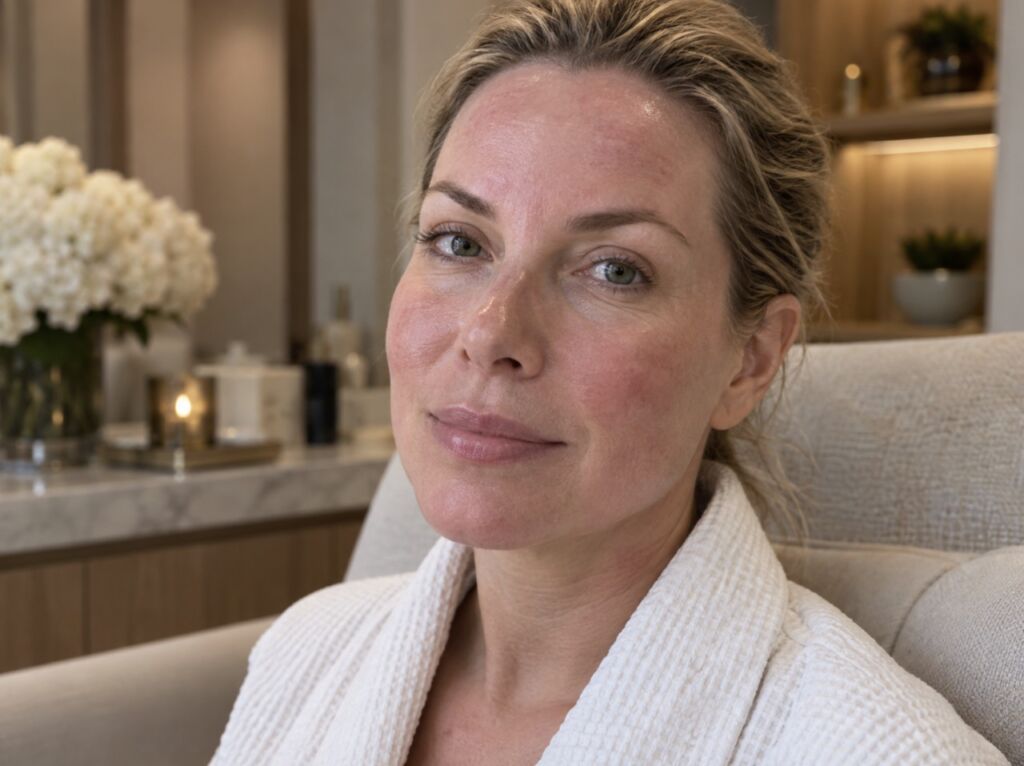
A chemical peel uses a carefully selected solution to exfoliate the skin at a controlled depth. Depending on the peel and your treatment goals, it may improve uneven tone, rough texture, sun damage, fine lines, or certain acne-related concerns.
Chemical peels are generally described as superficial, medium, or deep based on how far the solution penetrates into the skin. Superficial peels affect the upper layers and usually involve less recovery. Medium and deeper peels reach farther into the skin and require more involved aftercare.
A published clinical review explains that peel depth plays a major role in treatment response, recovery, and the possibility of complications. The type of peeling agent, concentration, number of applications, skin type, and treatment goal all influence how the skin responds.
After treatment, you may notice redness, sensitivity, dryness, tightness, or visible flaking. Some people experience very little peeling, particularly after a superficial treatment. Others notice more obvious shedding.
More visible peeling does not automatically mean a better result. Your skin can still respond to treatment without dramatic flaking.
Once you understand that recovery is part of the treatment process, the next step is knowing how to care for your skin without interfering.
Tip 1: Cleanse Gently While Your Skin Recovers
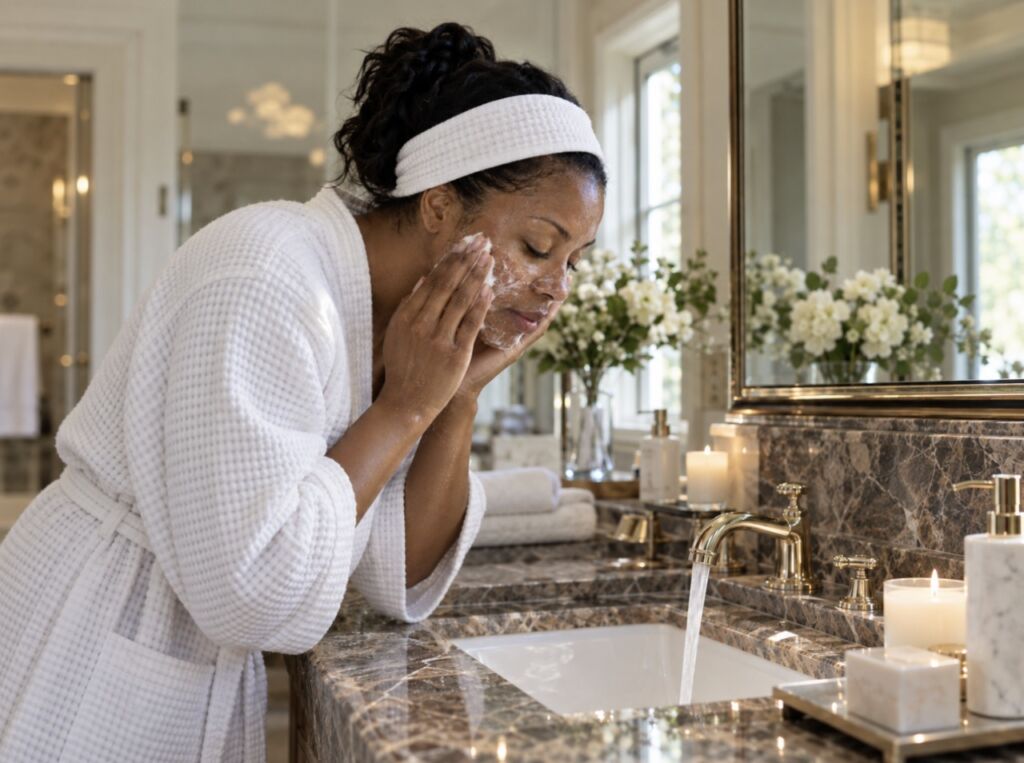
Freshly treated skin may react differently to products and habits that normally feel comfortable. Keep cleansing simple, gentle, and free of unnecessary friction.
Use the cleanser your provider recommends. In many cases, a mild cleanser and lukewarm water are better choices while the skin feels sensitive. Very hot water can feel uncomfortable and may worsen temporary redness.
Wash with clean fingertips instead of using facial brushes, textured cleansing pads, washcloths, or scrubs. After cleansing, gently pat your face dry with a clean towel instead of rubbing.
If your skin begins to flake, resist the urge to scrub away loose pieces during cleansing. Let them release naturally.
Use the same gentle approach after you wash your face, especially when choosing what to apply next.
Tip 2: Keep Healing Skin Comfortably Moisturized
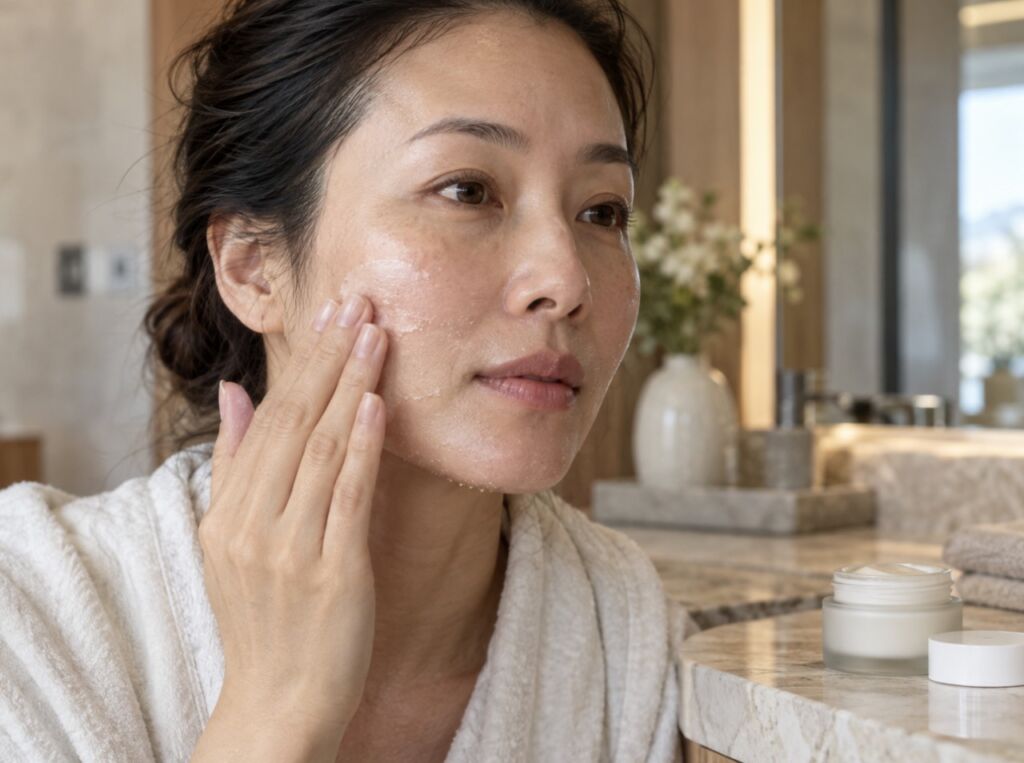
A chemical peel can temporarily leave the skin feeling dry, tight, or more sensitive than usual. A suitable moisturizer can help keep the skin comfortable while its surface barrier recovers.
Use the moisturizer or post-treatment product your provider recommends. This is not the ideal time to test several new serums, creams, or facial oils.
Simple is usually easier on healing skin.
A medical review on chemical peel care notes that patients should receive specific instructions for managing discomfort, redness, itching, and peeling after treatment. It also advises against manually removing shedding skin.
Avoid rubbing moisturizer aggressively into peeling areas. Apply it gently and let any flakes loosen on their own.
If your usual moisturizer contains active acids, retinoids, heavy fragrance, or other ingredients that tend to irritate your skin, ask your provider whether you should pause it temporarily.
Moisture can support comfort during recovery, but hydration alone is not enough. Newly treated skin also needs consistent protection from ultraviolet exposure.
Tip 3: Protect Your Skin From Sun Exposure Every Day

Sun protection is one of the most important parts of chemical peel aftercare.
Recently treated skin may be more sensitive to ultraviolet exposure. Excessive sun exposure during recovery can contribute to irritation and may increase the risk of unwanted pigmentation changes, particularly in skin already prone to discoloration.
A review of chemical peel complications identifies sun exposure as one factor associated with post-peel problems, including pigment changes. It also discusses the need for appropriate sun protection during recovery.
Follow your provider’s instructions about sunscreen and SPF. A broad-spectrum sunscreen is commonly part of post-peel skin protection once the treated skin is ready for it.
Sun protection should not stop with sunscreen. During early recovery, it can also help to limit unnecessary direct exposure, seek shade, and wear a hat when you spend time outdoors.
This matters in Birmingham and throughout Metro Detroit even outside the summer months. Cooler weather does not remove ultraviolet exposure.
Sun protection is especially important when you use a peel to address concerns such as sun spots, uneven pigmentation, or post-acne discoloration.
Protecting your skin from the environment is one part of recovery. The other is resisting the temptation to interfere with the peeling process itself.
Tip 4: Let Flaking Skin Shed on Its Own
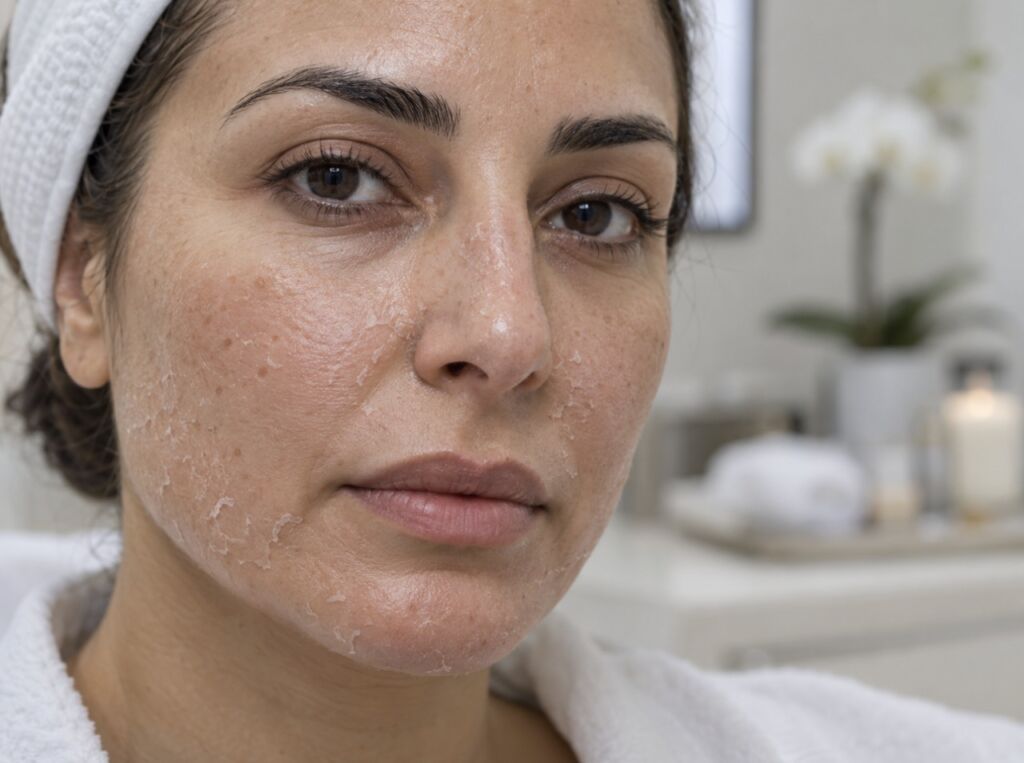
Visible peeling can be frustrating, especially when a loose flake appears right before work, dinner, photos, or a social event.
Still, picking at it is not a good shortcut.
Do not pull, scratch, scrub, or peel loose skin away with your fingers. Let it separate naturally.
When you manually remove skin that is not ready to shed, you may expose a more sensitive surface underneath. That can increase irritation and may interfere with even healing.
You also don’t need to exfoliate your skin to support the process. Facial scrubs, textured pads, exfoliating brushes, and chemical exfoliants can all be too aggressive during recovery.
Continue with gentle cleansing, an appropriate moisturizer, and the aftercare plan your provider gave you.
Also remember that some superficial peels produce very little visible shedding. A mild amount of flaking does not mean the treatment failed.
Avoiding physical picking is only part of the picture. Your regular skincare products and certain activities can also be too stimulating while your skin is sensitive.
Tip 5: Pause Strong Skincare Products, Heat, and Other Irritants
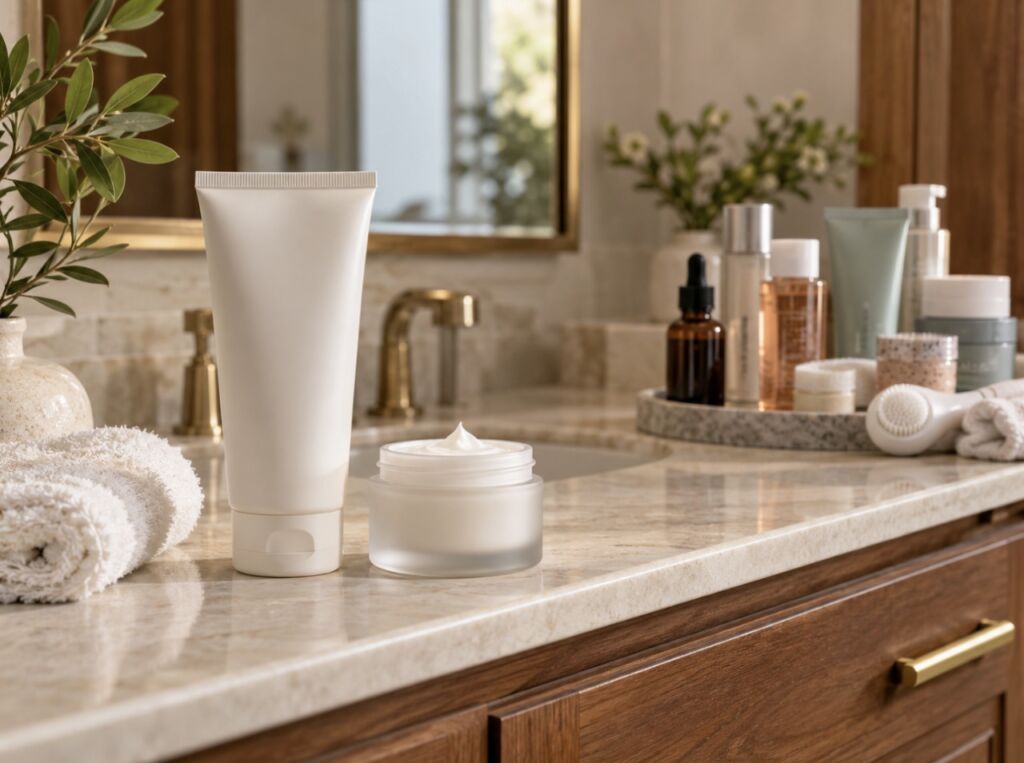
Your normal skincare routine may include products that work when your skin is healthy but are too aggressive right after a peel.
The same can be true for workouts, steam, and other activities that increase heat and sweating.
The exact length of the pause depends on your peel and how your skin heals, so no single schedule fits everyone.
Give Active Skincare Ingredients a Temporary Break
You may need to pause retinoids, exfoliating acids, scrubs, and other strong active ingredients before and after a chemical peel.
Restarting them too quickly can increase dryness, stinging, or irritation while your skin recovers.
Your provider may tell you when it is appropriate to resume products such as:
- Retinoids
- Glycolic or lactic acid
- Salicylic acid
- Strong exfoliating toners
- Facial scrubs
- Other resurfacing products
Don’t assume an active product is safe to restart just because visible peeling has stopped. The skin may still be more sensitive than usual.
Be Careful With Heat, Heavy Sweating, and Sauna Use
Heat can make recently treated skin feel more irritated, particularly while redness or sensitivity is still present.
Ask your provider when you can return to intense exercise, hot showers, steam rooms, or a sauna.
You don’t need to avoid these activities long term. The concern is giving the skin enough time to recover before adding heat, sweat, and friction back into your routine.
Once the early recovery period has passed, the next question is knowing which changes are expected and which deserve a call to your provider.
What Is Normal After a Chemical Peel, and When Should You Call Your Provider?
Some redness, dryness, tightness, sensitivity, or flaking is normal after a chemical peel. The degree varies by person and treatment depth.
The table below offers general guidance. Your own post-treatment instructions should always come first.
| Common Recovery Changes | Reasons to Contact Your Provider |
|---|---|
| Mild temporary redness | Redness that becomes severe or continues worsening |
| Dry or tight skin | Significant swelling or blistering |
| Mild sensitivity | Increasing or unexpected pain |
| Gradual flaking | Drainage, heavy crusting, or possible signs of infection |
| Temporary texture changes as skin sheds | New pigment changes or delayed healing that concern you |
Medium and deep peels tend to carry a higher risk of complications than superficial peels. Possible concerns can include persistent redness, infection, delayed healing, pigment changes, and scarring.
A history of cold sores is also relevant. Chemical peeling can sometimes trigger herpes simplex reactivation in susceptible people, so tell your provider about previous outbreaks before treatment.
If your recovery looks or feels significantly different from what you were told to expect, contact your provider rather than trying to fix it with extra skincare products at home.
What counts as normal also depends on the type of peel you received, which is why aftercare should never be one-size-fits-all.
Does Chemical Peel Aftercare Change Based on the Type of Peel?
Yes. Aftercare should reflect the depth and formulation of your chemical peel.
A light superficial peel may involve mild dryness or limited flaking, while a stronger treatment may require a longer, more structured recovery period.
R Skin Aesthetics offers customizable chemical peel treatments, including BioRePeel C13 as a superficial option. The right choice depends on your skin concerns, treatment history, goals, and comfort with downtime.
Before recommending a peel, factors such as your skin type, pigmentation history, medications, current skincare, recent treatments, and medical history may all deserve consideration.
The same personalized approach continues after treatment. Someone receiving a light peel for texture may receive different instructions than a person having a stronger treatment for more advanced sun damage.
That individualized care is especially useful when planning what comes after the peeling stage and how your treatment fits into a longer-term skincare plan.
Supporting Your Skin After the Peeling Stops
Once the visible flaking has settled, gradually return to your usual skincare routine.
Continue using sunscreen consistently, and reintroduce active ingredients as your provider recommends. If a product stings or causes unexpected redness after you restart it, pause and ask whether your skin needs more recovery time.
A chemical peel may be one part of a broader treatment plan for texture, pigmentation, sun damage, acne-related marks, or fine lines.
At R Skin Aesthetics, skin rejuvenation options also include customized skincare, microneedling, Hydrafacial-style treatments, Diamond Glow, IPL, Laser Genesis, and other treatments. The goal is not to stack treatments for the sake of doing more. It is to choose what makes sense for your skin at the right time.
Raquel Merlini, RN, BSN, brings a clinically informed approach to these decisions, with recommendations centered on your concerns, your comfort, and results that still look like you.
A thoughtful maintenance plan can help you move forward confidently, but most patients still have a few practical questions about the first days after a peel.
Frequently Asked Questions About Chemical Peel Aftercare
1. How long does skin peel after a chemical peel?
It varies.
Peel depth, formulation, skin type, treatment area, and individual response can all affect the amount and duration of peeling. Some superficial chemical peels cause only light flaking or dryness, while deeper treatments can involve more noticeable shedding.
Follow the timeline given for your specific treatment rather than judging your recovery against someone else’s.
2. What moisturizer should I use for chemical peel aftercare?
Use the moisturizer or post-treatment product your provider recommends.
In general, a simple formula without strong active ingredients is often easier on sensitive skin. If your normal moisturizer contains retinoids, exfoliating acids, or ingredients that frequently cause stinging, ask before restarting it.
3. Can I use sunscreen after a chemical peel?
Sun protection is an important part of aftercare.
Follow your provider’s instructions about when to apply sunscreen and which formula is appropriate for your skin. Limit unnecessary direct sun exposure during recovery, and consider shade and protective clothing alongside SPF.
4. When can I exfoliate after a chemical peel?
Wait until your skin has recovered and your provider has cleared you to restart exfoliation.
Do not use scrubs, exfoliating tools, acids, or other resurfacing products to remove flakes. Let peeling skin shed naturally.
5. Can I use a sauna or exercise after a chemical peel?
It depends on your peel and how your skin feels.
Your provider may recommend temporarily avoiding heavy sweating, intense workouts, steam rooms, or sauna use while redness and sensitivity are present. Ask for specific instructions based on the treatment you received.
Once those restrictions are clear, chemical peel aftercare becomes much easier to manage day by day.
Protect Your Results With Personalized Chemical Peel Aftercare
Good chemical peel aftercare is mostly about giving your skin the time and support it needs to recover.
Cleanse gently. Keep the skin comfortably moisturized. Protect it from sun exposure. Let flakes fall away naturally. Pause strong skincare products and high heat until your provider says your skin is ready.
The details should still be personal.
At R Skin Aesthetics, your concerns come first. Raquel Merlini, RN, BSN, provides thoughtful recommendations, clear education, and treatment plans designed around your skin, not current trends.
If you are considering a chemical peel in Birmingham or the Metro Detroit area, schedule a personalized consultation at R Skin Aesthetics to discuss which peel may suit your goals and what your individual aftercare plan should look like.