Something feels off. The lighting has not changed, but your skin looks different. Fine lines sit deeper, acne scarring is more visible, and your skin texture just does not look as smooth as it used to. You try new skin care products, maybe switch up your routine, but nothing really sticks.
That is usually when people start looking into a microneedling treatment in Birmingham, MI. Not because they want a dramatic change, but because they want their skin to look healthy again. Smoother, clearer, more even. The kind of skin that does not need filters.
Here is the reality. Most skin concerns start below the surface. Creams and serums only go so far. A microneedling procedure works differently. It targets the deeper layers of the skin, where collagen production actually happens. This is what makes it one of the most effective options for skin rejuvenation without surgery.
According to the Cleveland Clinic, microneedling helps stimulate collagen and elastin by creating controlled micro-injuries in the skin, which improves scars, wrinkles, and overall skin texture over time.
📋What You’ll Learn from This Article
In this article, we’ll break down everything you need to know about microneedling treatment and how it can transform your skin. Here’s what you’ll discover:
- What microneedling is and how it works to improve skin texture and tone.
- The science behind microneedling, including how it stimulates collagen production to reduce fine lines, acne scarring, and more.
- Which skin concerns microneedling can treat, from wrinkles to uneven skin texture and stretch marks.
- Who is the best candidate for microneedling and when it might not be the right option for you.
- What you can expect during a microneedling session at R-Skin and the aftercare process for optimal results.
- The benefits of professional microneedling versus at-home options and why experience matters in achieving the best results.
Keep reading to learn how this minimally invasive procedure could be the answer to your skin concerns.
What Is Microneedling, Also Called Collagen Induction Therapy?
Microneedling is a minimally invasive cosmetic treatment that uses a professional microneedling device to create tiny punctures in the skin. These are not random. They are controlled and precise.
Those small punctures create microchannels in the skin, which trigger your body’s natural healing response. Your skin reacts by producing more collagen and elastin, the two proteins responsible for firmness and smoothness.
Why Collagen Matters for Your Skin
Your skin relies on collagen for structure. As you age, collagen production slows down. That is when you start to notice:
- Fine lines and wrinkles
- Thinner, less firm skin
- Uneven skin texture and tone
Microneedling helps restart that process. It is often referred to as collagen induction therapy because it pushes your skin to rebuild itself.
Research published in dermatology journals shows that microneedling increases collagen formation in the deeper layer of skin, improving scars and wrinkles over time.
Why Microneedling Works Better Than Topical Products Alone
Topical products sit on the surface. Even the best serum cannot reach deep enough to fix structural issues.
Microneedling creates pathways in the skin. This allows better absorption of products like:
- Hyaluronic acid serum
- Growth factors
- PRP in some cases
That is why many providers combine microneedling with other treatments for optimal results.
What Microneedling Can Treat: Acne Scars, Fine Lines, Pores, and Texture

Microneedling is not just for one concern. It works across multiple skin conditions because it improves how your skin functions overall.
Fine Lines and Wrinkles
Early wrinkles respond well to microneedling. The increase in collagen helps smooth out lines and improve skin firmness over time.
Microneedling for Acne Scars and Uneven Skin Texture
This is one of the biggest reasons people choose microneedling. It helps:
- Break down scar tissue
- Stimulate new skin formation
- Improve overall skin texture
The American Academy of Dermatology confirms microneedling can help treat acne scars and improve skin appearance when done professionally.
Enlarged Pores and Rough Skin
Microneedling helps tighten and refine the skin. Pores appear smaller because the surrounding skin becomes firmer.
Uneven Tone and Dull Skin
By increasing cell turnover and collagen production, your skin starts to look brighter and more even.
Mild Skin Laxity and Crepey Skin
Microneedling is not a replacement for surgery, but it does improve mild skin laxity. It helps firm areas that are starting to lose structure.
Stretch Marks and Body Areas
Microneedling can also be used on the body. It is often used to improve:
- Stretch marks
- Surgical scars
- Areas with uneven texture
Who Is a Good Candidate for Microneedling Treatment
Not everyone needs the same treatment. The right approach depends on your skin and your goals.
Ideal Candidates
You are likely a good fit if you:
- Want a minimally invasive procedure
- Have mild to moderate skin concerns
- Want natural-looking results over time
- Prefer non-surgical treatment options
Skin Concerns That Respond Well
Microneedling works well for:
- Acne scarring
- Fine lines
- Large pores
- Uneven skin texture and tone
- Dull skin
It is also considered safe for people with darker skin tones, as it carries a lower risk of pigmentation issues than some laser therapy options.
When Microneedling May Not Be Recommended
You may need to wait or consider other treatment options if you have:
- Active acne or infection
- Certain skin conditions
- Poor wound healing
This is why a proper consultation matters. A trained provider will create a treatment plan that fits your skin.
What to Expect During Your Microneedling Session at R-Skin

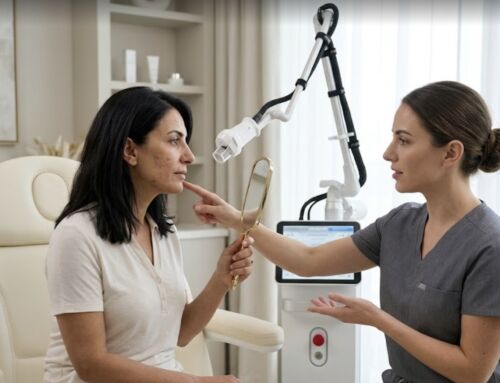
Every microneedling session starts with a plan. At R-Skin, your skin is evaluated carefully before anything begins.
Consultation and Skin Assessment
Your provider reviews:
- Your skin concerns
- Your medical history
- Your goals
This step matters more than people think. It determines how deep the treatment goes and how many sessions you need.
Preparation Before the Procedure
Before the microneedling procedure:
- Your skin is cleansed
- A topical anesthetic is applied
- The treatment area is prepped
This helps reduce discomfort and prepares your skin for treatment.
The Microneedling Procedure
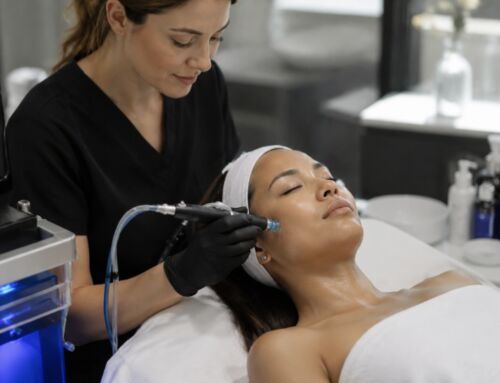
The microneedling device creates controlled punctures in the skin across the treatment area. The session usually takes about 30 to 45 minutes.
Most patients describe the feeling as light pressure or a scratchy sensation. It is not painful, just a bit uncomfortable in some areas.
What You Look Like Right After
After your session, expect:
- Redness
- Mild swelling
- Sensitivity
It looks similar to a mild sunburn. This is normal and part of the healing process.
Microneedling Benefits at a Glance
Here is a simple breakdown of what microneedling can do:
| Concern | How Microneedling Helps | Expected Outcome |
| Fine lines | Boosts collagen production | Smoother skin |
| Acne scars | Breaks down scar tissue | Improved texture |
| Large pores | Tightens surrounding skin | Refined appearance |
| Uneven tone | Increases cell turnover | Brighter skin |
| Stretch marks | Stimulates skin repair | Softer appearance |
Microneedling Recovery Time and Aftercare
Recovery is usually simple, but you still need to take it seriously.
First 24 to 72 Hours
Your skin may feel:
- Red
- Warm
- Slightly swollen
You might also notice dryness or tightness.
What to Avoid After Treatment
For proper microneedling aftercare, avoid:
- Sun exposure
- Harsh skincare products
- Heavy sweating
- Exfoliants
What Helps Your Skin Heal
Focus on:
- Gentle skin care
- Hydration
- Sunscreen
Following instructions closely helps you recover from the procedure faster and more safely.
When Will You See Results
Some glow appears within days. Full results take time.
Collagen rebuilding happens gradually, so expect full results over several weeks.
Why Multiple Sessions Matter
One session helps. A series delivers better results.
Most patients need 3 to 6 sessions, depending on their goals and skin condition.
Professional Microneedling vs At-Home Microneedling
At-home microneedling tools are easy to find, but they are not the same.
Why Professional Treatment Is Safer
Professional devices:
- Go deeper into the skin safely
- Use sterile techniques
- Are customized for your skin
Risks of At-Home Microneedling
At-home rollers can lead to:
- Skin irritation
- Infection
- Uneven results
You cannot control depth the same way. That matters more than people think.
Why Results Are Better In-Clinic
A trained provider adjusts:
- Needle depth
- Treatment frequency
- Combination with other treatments
This leads to more consistent and predictable outcomes.
Why Experience Matters at R-Skin Birmingham, MI

Skill matters when it comes to microneedling and other medical spa treatments. Raquel Merlini brings advanced training as a CANS injector, registered nurse, and licensed aesthetician. She has over 20,000 hours of experience in aesthetic treatments.
A Deeper Understanding of Skin
She understands:
- Skin anatomy
- Aging patterns
- Different skin conditions
That means your treatment is not guesswork.
Personalized Treatment Plans
Every patient gets a plan based on:
- Skin type
- Goals
- Medical history
No two treatments are the same.
A Patient-First Approach
You are not rushed. You are heard. That alone changes the experience and the results.
Microneedling as Part of a Long-Term Skin Plan
One treatment helps, but real change takes consistency.
Why You Need a Long-Term Approach
Your skin keeps changing. Your plan should too.
Microneedling works best when combined with:
- Medical-grade skin care products
- Sun protection
- Maintenance sessions
Setting Real Expectations
Microneedling improves your skin. It does not replace surgery for advanced aging. Results build over time. That is what makes them look natural.
Microneedling FAQs for Birmingham, MI Patients
1. How many microneedling sessions do I need?
The right number depends on your skin concern, treatment depth, and how your skin responds. Acne scars, deeper texture concerns, and stretch marks may need more sessions than mild dullness or early fine lines.
2. How long does it take to recover from microneedling?
Microneedling recovery usually takes 2 to 3 days. Redness, warmth, dryness, and mild sensitivity are common during the first few days. R-Skin will give you aftercare instructions, including what skincare products, sun exposure, and workouts to avoid while your skin heals.
3. When will I see results?
You may notice a glow within a few days, but full microneedling results develop over several weeks. Collagen rebuilding is gradual, so texture, pores, and fine lines usually improve as your skin continues healing. A series of treatments can create more visible, longer-lasting improvement.
4. Is microneedling safe for darker skin tones?
Microneedling can be a safe option for darker skin tones when performed by a trained professional. Because it does not target pigment the same way some lasers do, it may be appropriate for many skin types. A consultation is still important to reduce the risk of irritation or pigmentation changes.
5. What are the side effects of microneedling?
Common microneedling side effects include redness, mild swelling, dryness, tightness, and temporary sensitivity. These effects usually improve within a few days. Serious complications are uncommon when the treatment is performed professionally with sterile technique and proper aftercare.
Ready for Smoother Skin? Schedule a Microneedling Consultation
Microneedling works because it fixes the problem at the source. It stimulates collagen production, improves skin texture, and helps reduce scars and wrinkles over time.
If your skin feels stuck, this is often the reset it needs.
At R-Skin in Birmingham, MI, you get more than just a treatment. You get a plan that is built around your skin, your goals, and real results.
If you are ready to improve your skin, the next step is simple. Schedule your microneedling consultation and find out what your skin actually needs.