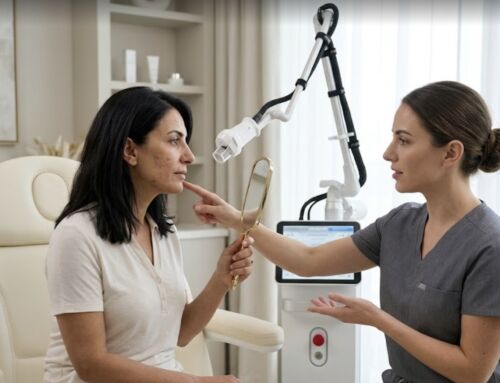
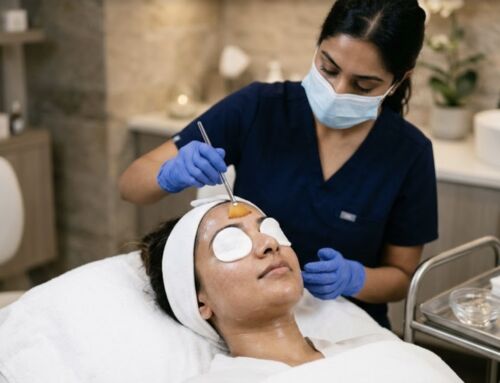
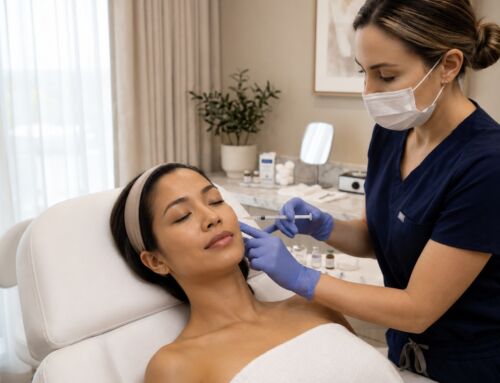
Dark spots can be frustrating, especially when they remain long after acne clears or become more noticeable after time in the sun. Many people invest in skincare products but still feel unsure about what will actually improve uneven skin tone. The right hyperpigmentation treatment starts with understanding what is causing the pigment changes and choosing an approach that fits your skin.
At R Skin Aesthetics, clients in Birmingham, Detroit, and surrounding Oakland County communities receive personalized guidance based on their skin type, concerns, and aesthetic goals. Every recommendation begins with listening, education, and a thoughtful assessment so your treatment plan supports natural-looking results.
Hyperpigmentation can develop for many reasons, including sun exposure, acne, inflammation, hormonal changes, and skin injuries. Since every person’s skin responds differently, the most effective approach is creating a plan designed specifically for your skin.
What You’ll Learn From This Article
- Why dark spots and uneven skin tone develop in different skin types
- How skin color and melanin affect hyperpigmentation treatment choices
- Which professional treatments and skincare options may help improve pigmentation concerns
- Why sunscreen and long-term skin maintenance matter after treatment
- How R Skin Aesthetics creates personalized plans for clients in Birmingham and Detroit
What Causes Hyperpigmentation and Dark Spots?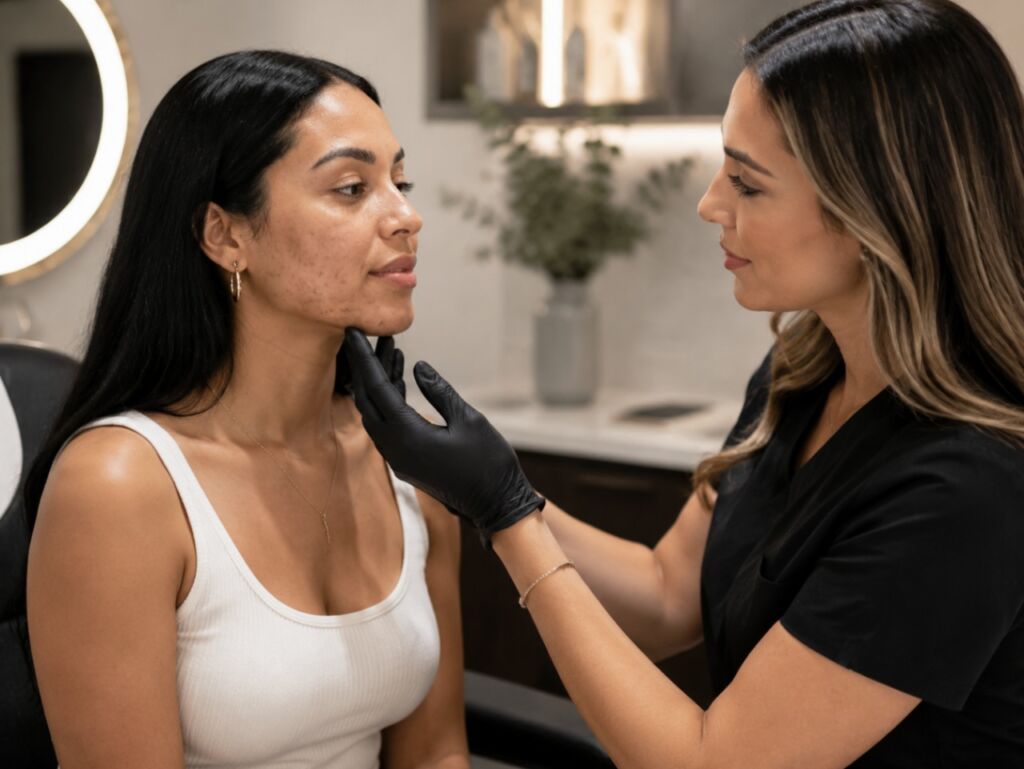
Understanding why pigmentation develops is an important part of choosing the right treatment. Hyperpigmentation occurs when certain areas of the skin produce more melanin, creating darker patches compared with the surrounding skin.
Several factors can contribute to changes in skin pigmentation. Identifying the cause helps your provider recommend options that are appropriate for your concerns and skin type.
Sun Exposure and Age Spots
Sun exposure is one of the most common contributors to hyperpigmentation. UV rays can trigger increased melanin production as the skin responds to sunlight. Over time, repeated exposure may contribute to visible concerns such as age spots, sun spots, and uneven skin tone.
Daily sunscreen use is an important step in protecting your skin and supporting your long-term skincare goals. Even when professional treatments are part of your plan, consistent sun protection remains essential for maintaining healthy-looking skin.
Post-Inflammatory Hyperpigmentation From Acne and Skin Injuries
Many people notice dark marks after acne, irritation, or other forms of inflammation. This type of pigmentation is known as post-inflammatory hyperpigmentation.
When the skin experiences inflammation or injury, the healing process can sometimes trigger increased pigment production. Post-inflammatory hyperpigmentation is especially common among people with darker skin tones, although it can affect all skin colors.
A review published in the Journal of Clinical and Aesthetic Dermatology discusses the importance of understanding pigmentation concerns in patients with different skin types and selecting treatments carefully based on individual needs.
Other Causes of Pigmentation Changes
Pigmentation concerns may also develop due to hormonal changes, genetics, medications, or normal changes that occur as skin ages.
Since several conditions can look similar, a professional evaluation can help determine which treatment options may be appropriate for your specific concerns. Understanding the cause makes it easier to create a realistic plan.
Why Skin Type and Skin Color Matter for Hyperpigmentation Treatment
Every person’s skin has different characteristics that affect how it responds to treatment. Factors such as skin tone, sensitivity, previous breakouts, and history of pigmentation all play a role when creating a customized plan.
This is especially important for individuals with darker skin tones or skin of color. Higher melanin levels can affect how the skin responds to certain procedures, which is why careful treatment selection matters.
A personalized approach considers:
- Your current pigmentation concerns
- Your skin type and sensitivity
- Your history with acne or irritation
- Your skincare routine
- Your desired level of improvement
At R Skin Aesthetics, the process begins with understanding your goals before recommending a treatment option. Raquel Merlini, RN, BSN, focuses on thoughtful recommendations, clinical precision, and helping clients feel informed about their choices.
Research on treating hyperpigmentation in darker skin tones highlights the importance of customized treatment strategies and proper assessment to support safe, effective care.
The right treatment plan depends on more than the appearance of a dark spot. It requires looking at the full picture of your skin health, which is why consultation plays such an important role.
Which Hyperpigmentation Treatments May Help Improve Dark Spots?
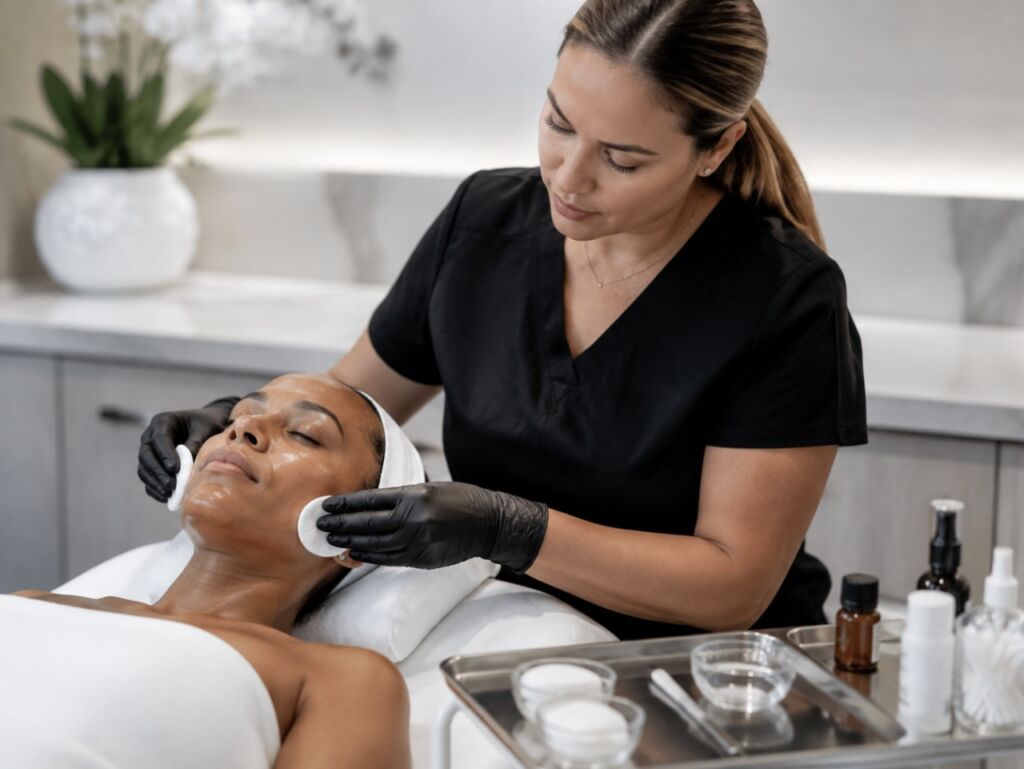
There is no single treatment that works the same way for every person. The best approach depends on the type of pigmentation, your skin characteristics, and your overall goals.
Some clients may benefit from professional treatments, while others may need a combination of treatments and medical-grade skincare products to support gradual improvement.
| Treatment Option | How It May Support Skin Concerns | Important Considerations |
|---|---|---|
| Chemical peels | May improve the appearance of uneven tone and encourage skin renewal | Treatment strength should match your skin type and goals |
| Laser therapy | May target certain pigment concerns | Proper device selection and settings are important |
| Topical therapies | May support gradual improvement of discoloration | Ingredients should be selected based on individual needs |
| Microneedling | May support overall skin texture and appearance | Treatment plans should be personalized |
Chemical Peels for Uneven Skin Tone
Chemical peels use selected ingredients to encourage controlled exfoliation of the skin. Depending on the formulation, they may help improve the appearance of discoloration, texture concerns, and dull-looking skin.
The right peel depends on your skin type and concerns. A stronger peel is not always the best choice, especially when treating pigmentation. Your provider can help determine which option aligns with your goals.
Laser Therapy for Pigmentation Concerns
Laser treatments may be considered for certain types of pigmentation. These treatments work by targeting specific skin concerns, but the approach must be carefully selected.
Laser therapy is not appropriate for every pigmentation concern or every skin type. Factors such as skin color, pigment depth, and treatment settings all influence the planning process.
A consultation allows your provider to evaluate whether laser treatment may be a suitable option for your skin.
Topical Therapies and Medical Grade Skincare
Skincare products can play an important role in many hyperpigmentation treatment plans. Depending on your needs, your provider may recommend ingredients designed to support a more even-looking complexion.
Hydroquinone is a commonly studied topical ingredient for pigmentation concerns. Because it may not be appropriate for every person or every situation, it should be used under professional guidance.
Other topical therapies may focus on supporting skin renewal, hydration, and overall skin health.
A recent review of hyperpigmentation management highlights the role of combination approaches, including topical treatments and procedures, when creating individualized plans.
How R Skin Aesthetics Creates a Personalized Skin Plan
Many clients know they want brighter, healthier-looking skin but are unsure where to begin. A consultation helps clarify your concerns and identify options that fit your lifestyle, comfort level, and goals.
Understanding Your Skin Goals
Your concerns may include:
- Dark spots after acne
- Sun-related pigmentation
- Uneven skin tone
- Changes in skin texture
- A desire for a healthier-looking complexion
Your provider takes time to understand what you want to improve and what matters most to you.
Evaluating Your Skin Before Treatment
A proper assessment considers:
- Skin type
- Pigmentation patterns
- Current skincare products
- Previous treatments
- Skin sensitivity
This information helps guide treatment recommendations and sets realistic expectations.
Creating a Long-Term Approach
Improving pigmentation often involves more than one appointment. A long-term plan may combine professional treatments with consistent skincare habits.
Depending on your goals, options at R Skin Aesthetics may include:
- Customized skincare plans
- Chemical peels
- Hydrafacial-style treatments
- Diamond Glow treatments
- Microneedling
- Laser treatments
The focus is on choosing treatments that support your individual skin goals rather than recommending unnecessary procedures.
How Sunscreen and Skincare Support Your Results
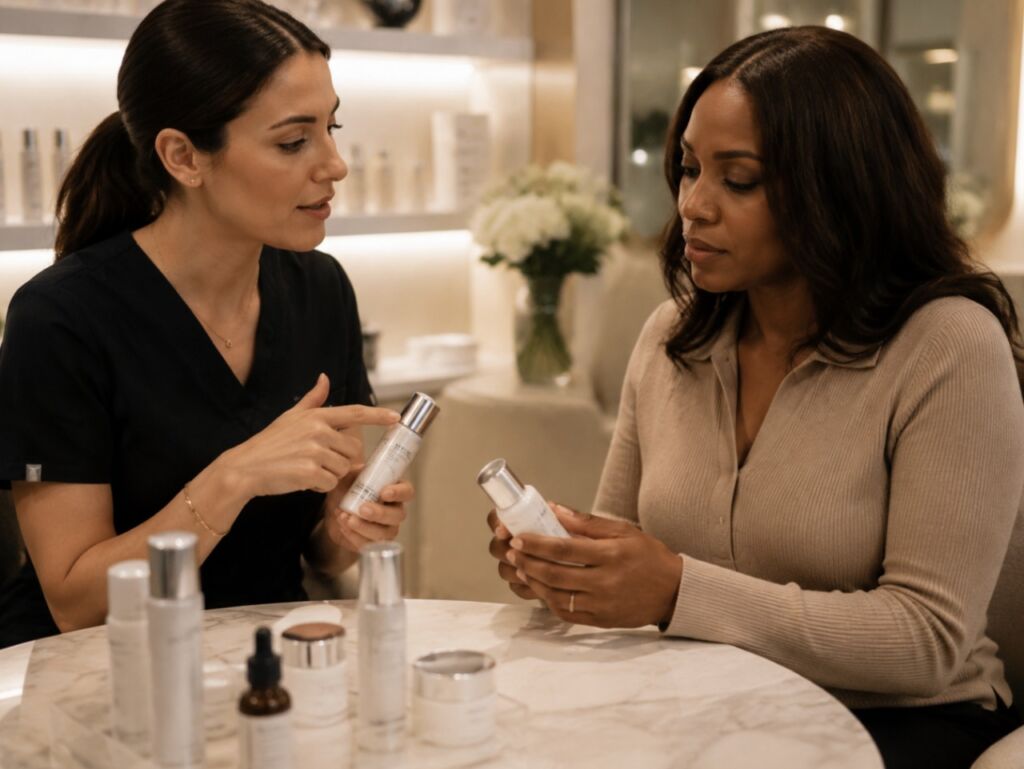
Professional treatments are only one part of caring for your skin. Daily habits can make an important difference in maintaining a healthy complexion.
Protecting Your Skin From Future Pigment Changes
Sun protection is one of the most important steps in managing pigmentation concerns. UV exposure can contribute to new pigment changes and may affect the appearance of existing discoloration.
Helpful skincare habits include:
- Wearing sunscreen consistently
- Following your recommended skincare routine
- Avoiding products that irritate your skin
- Choosing products suited for your skin type
A simple routine that fits your lifestyle is often easier to maintain than an overly complicated one.
What Should You Expect From Hyperpigmentation Treatment?
Hyperpigmentation usually develops over time, so improvement often requires patience and consistency. Results vary depending on the cause of pigmentation, the treatments selected, skincare habits, and individual skin response.
During your consultation, your provider can discuss:
- Which treatments may fit your concerns
- What the process may involve
- How skincare supports your plan
- What maintenance may look like
At R Skin Aesthetics, the goal is to help you feel confident and informed throughout your skincare journey. Treatment decisions are made with your comfort, safety, and natural appearance in mind.
Why Birmingham and Detroit Clients Choose R Skin Aesthetics for Skin Rejuvenation
Choosing the right provider for pigmentation concerns involves finding someone who understands your goals and takes time to explain your options.
R Skin Aesthetics serves clients throughout Birmingham, Detroit, and nearby Oakland County communities, including Bloomfield Hills, Royal Oak, Troy, Clawson, Franklin, West Bloomfield, and Rochester Hills.
With treatments including Botox®, Dysport®, dermal fillers, Sculptra®, microneedling, laser treatments, Hydrafacials, Diamond Glow treatments, and customized skincare plans, R Skin creates personalized recommendations based on each client’s needs.
Raquel Merlini, RN, BSN, brings clinical experience and careful technique to every appointment. The focus is on helping clients look refreshed while preserving their individuality.
Frequently Asked Questions About Hyperpigmentation Treatment
1. What is the best hyperpigmentation treatment for dark spots?
The best hyperpigmentation treatment depends on what caused the pigmentation and how your skin responds. Options may include skincare products, chemical peels, laser treatments, or a combination approach recommended during a consultation.
2. Can hyperpigmentation treatment help darker skin tones?
Yes, many people with darker skin tones seek treatment for pigmentation concerns. However, treatment should be customized because skin with higher melanin levels may respond differently to certain procedures.
3. How long does hyperpigmentation treatment take to work?
The timeline varies based on the type of pigmentation, treatment approach, skincare routine, and individual response. Some concerns may require ongoing care and maintenance.
4. Does sunscreen help with hyperpigmentation?
Sunscreen is an important part of protecting your skin from UV exposure, which can contribute to pigmentation changes. Consistent sun protection may support long-term skin care goals.
5. Should I see a dermatologist or aesthetic provider for hyperpigmentation?
A qualified provider can help evaluate your concerns and discuss appropriate treatment options. Some pigmentation concerns may require dermatology care, while others may be addressed through customized aesthetic treatments and skincare recommendations.
Start Your Personalized Hyperpigmentation Treatment Plan at R Skin Aesthetics
Dark spots and uneven skin tone can have many causes, which is why personalized care matters. R Skin Aesthetics helps clients in Birmingham and Detroit understand their options and create a skincare plan tailored to their unique needs.
Schedule your consultation at R Skin Aesthetics to discuss your skin goals and discover which hyperpigmentation treatment options may be right for you.