Dullness, uneven texture, fine lines, redness, and old acne scars can make healthy skin look tired. A good skin care routine may help, but topical products often have limits when the concern sits deeper than the surface.
Skin rejuvenation offers several ways to improve your skin’s appearance without altering the features that make you look like yourself. The right plan may include a facial, chemical peel, microneedling, laser treatment, injectables, or a thoughtful combination of treatments.
At R Skin Aesthetics, your concerns guide the conversation. Raquel Merlini, RN, BSN, takes time to understand your skin, comfort level, schedule, and goals before recommending care. The focus stays on natural-looking improvement, clear education, and long-term skin support.
What You’ll Learn From This Article
- What skin rejuvenation means and how it differs from resurfacing
- Which treatments may help with fine lines, acne scars, redness, sun spots, and uneven texture
- How facials, chemical peels, microneedling, lasers, and injectables work differently
- What to expect from treatment, recovery, and maintenance
- How to choose a plan that fits your skin and lifestyle
What Is Skin Rejuvenation?
Skin rejuvenation is a broad term for cosmetic treatments that may improve skin tone, texture, clarity, hydration, firmness, and overall appearance.
Some treatments work mainly on the outer layer of skin. Others reach deeper tissue to support collagen production or address facial movement and volume changes. That distinction matters because a treatment for surface dullness will not work the same way as one designed for acne scars, wrinkles, or lost volume.
Common reasons people consider skin rejuvenation include:
- Fine lines and wrinkles
- Uneven skin tone
- Sun spots
- Redness
- Enlarged pores
- Rough skin texture
- Acne scars
- Reduced firmness
- Dry or congested skin
- Early signs of aging
The American Society of Plastic Surgeons explains that skin rejuvenation and resurfacing may include laser and light treatments, chemical peels, mechanical treatments, nonablative procedures, fillers, and wrinkle-relaxing injections. The best option depends on the concern, treatment depth, skin characteristics, and recovery needs.
Skin Rejuvenation Versus Skin Resurfacing
Skin rejuvenation describes the overall goal of helping skin look clearer, smoother, brighter, or more refreshed.
Skin resurfacing refers more specifically to treatments that create controlled renewal in the outer layer of skin or within selected deeper layers. Chemical peels, microdermabrasion, fractional laser treatments, and some microneedling plans may fall into this category.
Botox, Dysport, dermal fillers, and Sculptra may also support facial rejuvenation, but they do not resurface the skin. They address muscle movement, volume loss, facial support, or collagen changes.
Once you understand the difference, it becomes easier to match a treatment to the concern you actually want to improve.
Which Skin Concerns Can Rejuvenation Treatments Address?
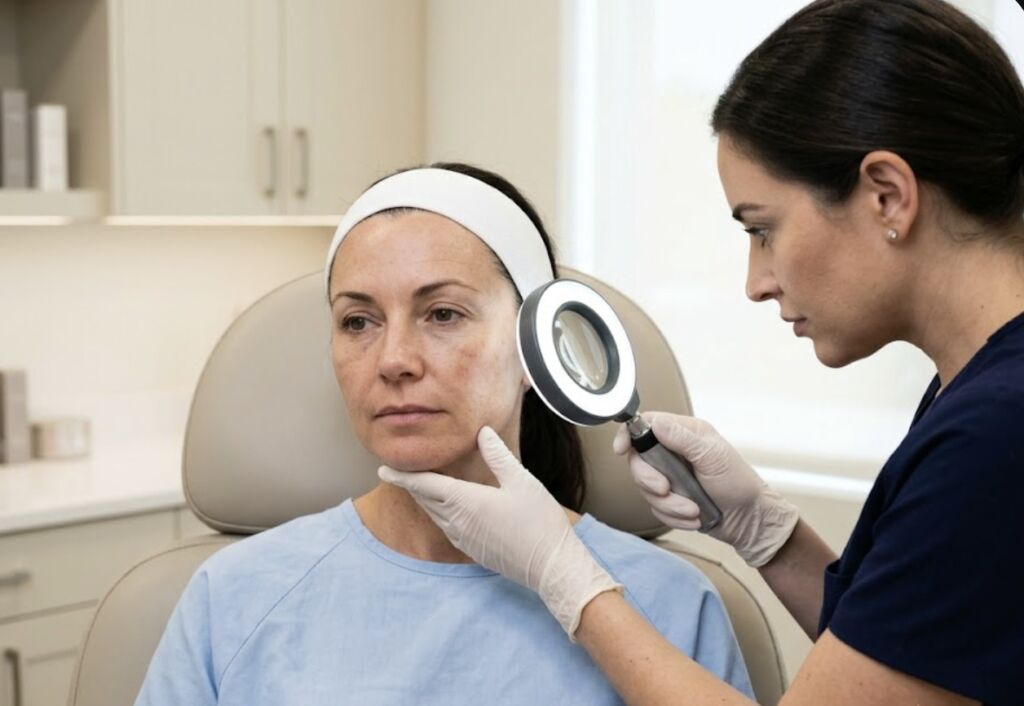
Not every visible change has the same cause. Choosing the right treatment starts with identifying whether the concern involves the surface, deeper tissue, muscle activity, pigmentation, or volume.
Fine Lines, Wrinkles, and Reduced Firmness
Fine lines and wrinkles can develop from repeated facial movement, sun exposure, dryness, and gradual changes in collagen and elastin.
Lines that appear when you smile, squint, or raise your eyebrows are often called dynamic wrinkles. Botox or Dysport may soften these lines by temporarily relaxing selected muscles.
Lines that remain visible when your face is at rest may respond better to microneedling, laser resurfacing, chemical peels, filler, or a combination of treatments. Reduced firmness may also call for treatments that stimulate collagen production rather than surface exfoliation alone.
Uneven Skin Tone, Redness, and Sun Damage
Sun spots, blotchy color, visible redness, and uneven skin tone may become more noticeable with age and repeated sun exposure.
IPL and certain laser treatments may improve the appearance of some pigment and redness concerns. The correct option depends on your natural skin tone, the type of discoloration, recent tanning, and your medical history.
A changing mole, unexplained pigment change, active rash, or suspicious lesion should be evaluated by a medical professional before cosmetic treatment.
Rough Texture, Enlarged Pores, and Acne Scars
Skin texture may appear uneven due to dead skin cell buildup, enlarged pores, acne scars, sun damage, or reduced collagen support.
Gentle exfoliation may help with mild roughness. Microneedling, chemical peels, or fractional laser treatment may be more appropriate for visible acne scars or deeper texture changes.
Acne scars vary in depth and type, so a single cosmetic treatment may not address every scar. A consultation helps set realistic expectations before you begin.
Dryness, Congestion, and Loss of Radiance
Sometimes the concern is simpler. Skin may look tired, feel dry, or appear congested even without deeper wrinkles or scars.
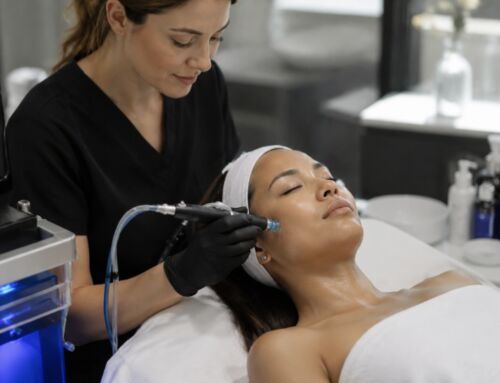
Skinwave, Hydrafacial-style treatments, dermaplaning, and microdermabrasion may help remove surface buildup, improve hydration, and support a fresher appearance.
These treatments may work well before an event or as part of regular skin care, but they cannot replace deeper correction when the main concern involves pronounced wrinkles, acne scars, pigmentation, or volume loss.
The next step is understanding which treatment category fits each type of concern.
Skin Rejuvenation Treatments at R Skin Aesthetics
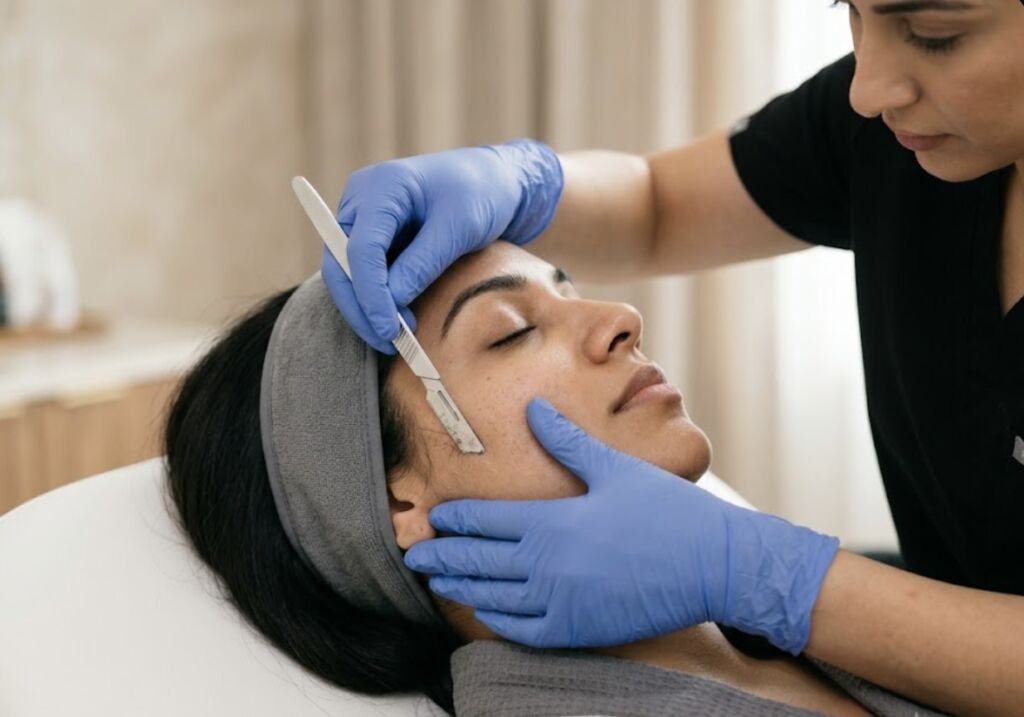
R Skin Aesthetics offers several treatment options for clients in Birmingham, Detroit, and nearby Oakland County communities. Each service has a different purpose, treatment depth, and recovery profile.
Facials and Gentle Surface Treatments
Skinwave and Hydrafacial-style treatments focus on cleansing, exfoliation, hydration, and congestion. They may suit skin that looks dull, dry, or tired.
Dermaplaning removes dead surface cells and fine facial hair with a sterile treatment blade. Skin may feel smoother afterward, and makeup may apply more evenly.
Microdermabrasion uses controlled mechanical exfoliation to remove part of the outer layer of skin. It may help with mild roughness or dullness, but it is not intended to correct deep acne scars or pronounced wrinkles.
Customized Chemical Peels
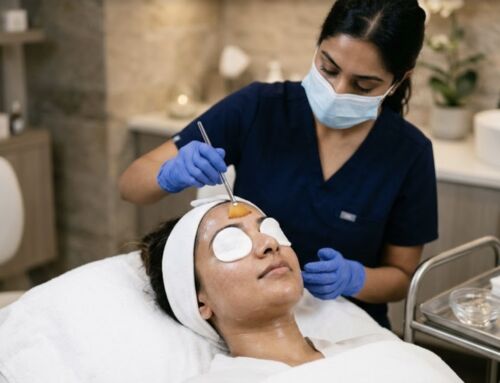
A chemical peel applies a selected solution to the skin to create controlled exfoliation. As the treated layer of skin sheds, the surface may look smoother and more even.
Peels vary in strength. A lighter peel may enhance brightness and texture, while a deeper peel may require more peeling and recovery time.
Depending on the formula and treatment depth, chemical peels may be considered for:
- Dullness
- Uneven skin tone
- Fine lines
- Acne
- Mild acne scars
- Hyperpigmentation
- Rough texture
Your provider should review your skin type, recent sun exposure, sensitivity, current skin care, history of cold sores, and previous cosmetic treatments before selecting a peel.
Microneedling for Collagen Support
Microneedling creates small, controlled channels in the skin. This process starts a repair response that may stimulate collagen production.
Treatment may improve the appearance of fine lines, enlarged pores, acne scars, and uneven skin texture. Results tend to develop gradually as new collagen forms.
Temporary redness, tightness, or sensitivity may occur. Some concerns respond best to a series of treatments rather than one appointment.
Surface treatments can enhance brightness and texture, but laser and light treatments may be a better fit when redness, pigmentation, or more serious damage is the main concern.
Laser and Light Treatments for Skin Tone and Texture
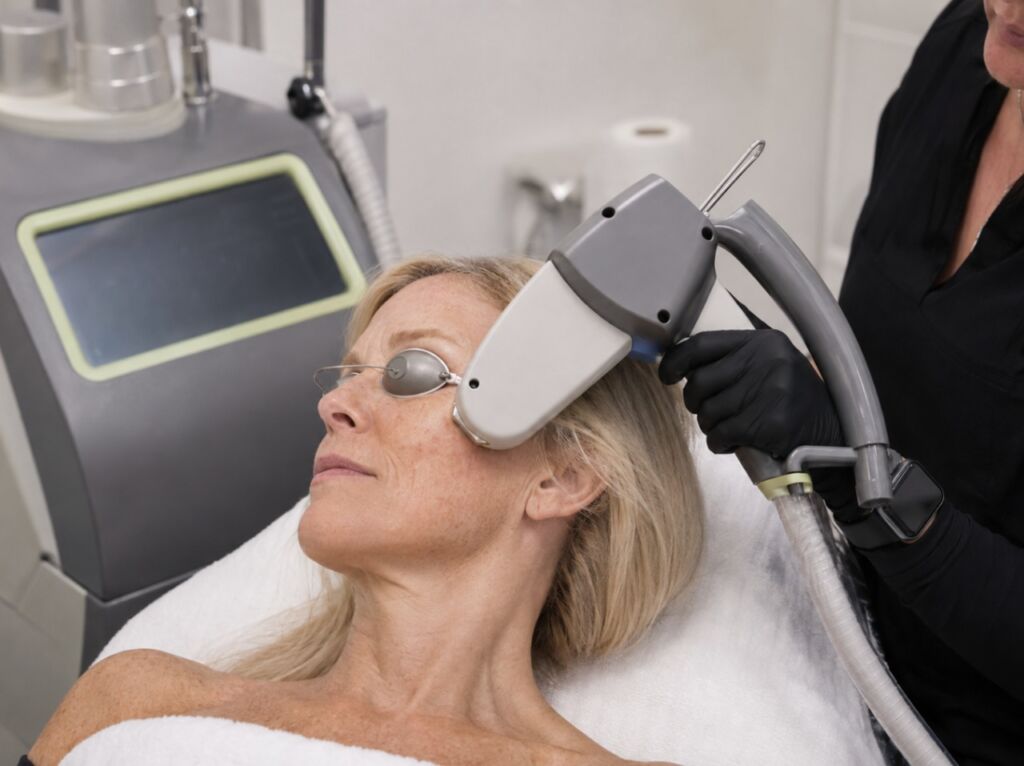
Laser and light treatments use different forms of energy to target specific concerns. They should not be treated as interchangeable.
IPL for Redness and Pigmentation
Intense pulsed light, often called IPL, uses broad-spectrum light rather than a single laser wavelength.
It may be considered for:
- Sun spots
- Uneven pigmentation
- Redness
- Small visible blood vessels
- Blotchy skin tone
IPL is not suitable for every skin tone or pigment concern. Recent tanning, certain medications, active skin conditions, and a history of pigment changes may affect candidacy.
Laser Genesis for Gradual Skin Improvement
Laser Genesis is a non-ablative treatment. It works beneath the surface without removing the entire outer layer of skin.
It may support gradual improvement in:
- Redness
- Fine lines
- Uneven tone
- Mild texture concerns
- Overall skin quality
Because it is less intensive than ablative resurfacing, recovery may be shorter. Several sessions may be recommended, and results often appear over time.
Pearl Fractional for More Focused Resurfacing
Pearl Fractional creates controlled treatment zones within the skin while leaving surrounding tissue available to support healing.
It may be considered for:
- More visible sun damage
- Fine lines and wrinkles
- Acne scars
- Uneven texture
- Age-related skin changes
Fractional resurfacing generally involves more recovery than a facial or nonablative laser treatment. Redness, swelling, peeling, or sensitivity may occur.
A careful consultation helps determine whether a gentle treatment, a gradual laser plan, or a more focused resurfacing procedure makes the most sense for your skin.
When Injectables Support a Skin Rejuvenation Plan
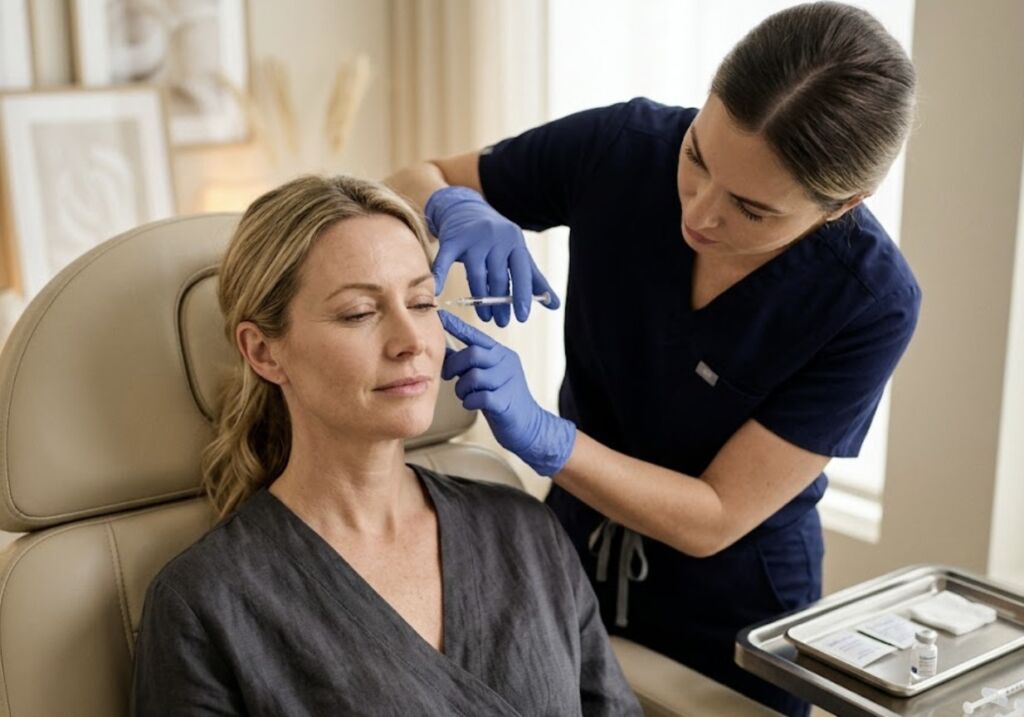
Skin quality is only one part of facial aging. Muscle movement, changes in volume, and reduced structural support can also affect how refreshed you look.
Botox and Dysport for Expression Lines
Botox and Dysport temporarily relax selected muscles that contribute to dynamic wrinkles.
Common treatment areas include:
- Forehead lines
- Frown lines between the brows
- Crow’s feet
These treatments do not resurface the skin or correct pigmentation. Their role is to soften lines caused by repeated facial movement.
Careful dosing helps preserve your natural expressions. Results and duration vary from person to person.
Dermal Fillers for Volume Support
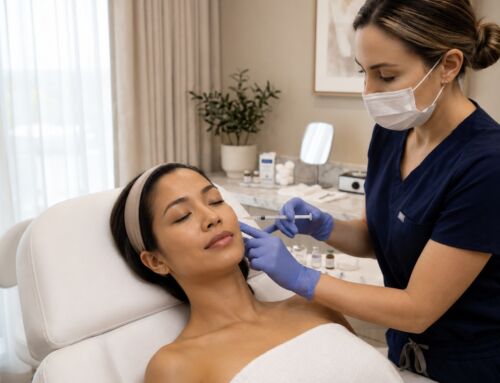
Dermal fillers can restore or support volume in selected areas of the face. Many fillers contain hyaluronic acid, a substance naturally found in the body.
Fillers may help soften certain folds, support the cheeks, improve facial balance, or replace volume that has changed over time.
It does not replace microneedling, a chemical peel, or laser treatment when skin texture is the main concern.
Possible side effects include bruising, swelling, tenderness, asymmetry, infection, and rare but serious vascular complications. Your provider should review these risks before treatment.
Sculptra for Gradual Collagen Production
Sculptra works differently from a traditional hyaluronic acid filler. It helps stimulate collagen production over time.
Changes appear gradually rather than immediately, and more than one appointment may be recommended.
Sculptra may suit clients who want gradual support for facial volume and structure. It will not correct surface pigmentation or replace resurfacing when the main concern involves texture or sun damage.
Once each treatment has a clear purpose, comparing options becomes much more practical.
How to Choose the Right Skin Rejuvenation Treatment
The best treatment depends on the concern, your skin, and how much recovery fits your schedule.
| Main concern | Treatments that may be discussed | General intensity | Important consideration |
|---|---|---|---|
| Dryness, congestion, or dullness | Skinwave, facial, dermaplaning | Gentle | Ongoing skin care and maintenance |
| Mild texture or discoloration | Microdermabrasion, chemical peel | Gentle to moderate | Skin sensitivity and peel depth |
| Fine lines, pores, or acne scars | Microneedling | Moderate | Gradual results and possible treatment series |
| Redness or sun spots | IPL or Laser Genesis | Mild to moderate | Skin tone and pigmentation type |
| More visible texture or wrinkles | Pearl Fractional | Moderate to higher | Downtime and aftercare |
| Expression lines | Botox or Dysport | Usually limited recovery | Muscle movement and conservative dosing |
| Volume loss | Dermal filler or Sculptra | Varies | Immediate versus gradual improvement |
Your provider may also consider:
- Your natural skin tone
- History of pigmentation or scarring
- Skin sensitivity
- Medications and supplements
- Current skin care products
- Previous cosmetic treatments
- Upcoming travel or social events
- Comfort with redness, swelling, flaking, or peeling
- Preference for gradual or faster visible changes
- Budget and maintenance goals
More treatment does not always mean better treatment. Careful spacing and thoughtful sequencing may reduce irritation and support safer healing.
A personalized consultation brings all of these factors together.
What to Expect During Your Consultation
A useful consultation begins with a conversation about what you see, what bothers you, and what you hope to improve.
At R Skin Aesthetics, Raquel Merlini, RN, BSN, evaluates your skin tone, texture, pigmentation, scars, facial movement, and volume before recommending a care plan. Her clinical background includes working alongside the Chief of Plastic Surgery at Beaumont Troy.
You should expect to discuss:
- Medical conditions
- Allergies
- Medications and supplements
- Previous cosmetic procedures
- Current skin care
- Recent sun exposure
- History of cold sores
- Healing concerns
- Upcoming events or travel
- Your comfort with downtime
A clear consultation should explain what a treatment may improve, what it cannot address, possible side effects, likely recovery, treatment spacing, and aftercare.
Suspicious lesions, active infections, unexplained pigment changes, or persistent rashes should be medically evaluated before cosmetic treatment.
That planning becomes especially important when you are deciding how much downtime fits your schedule.
Results, Recovery, and Long-Term Skin Maintenance
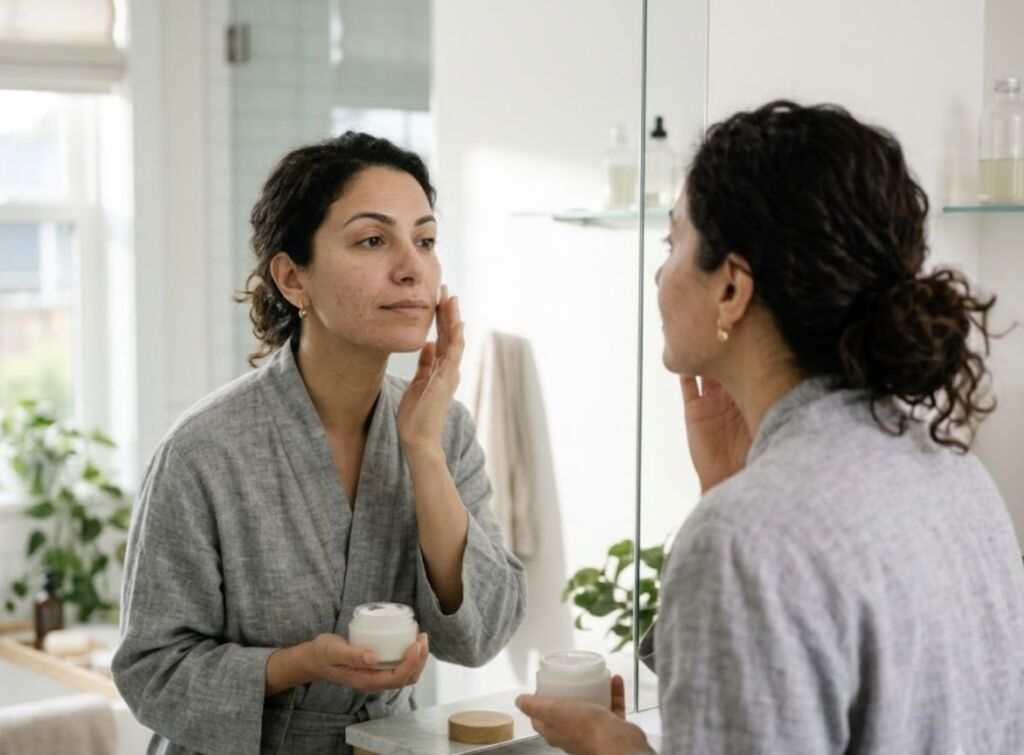
Results vary by treatment, skin condition, age, treatment depth, and how closely you follow aftercare instructions.
A facial or dermaplaning appointment may create a quicker, refreshed appearance. Microneedling, Laser Genesis, and Sculptra often produce more gradual changes as collagen develops.
Chemical peels, IPL, and fractional laser treatments may require a series. Temporary effects can include:
- Redness
- Swelling
- Tightness
- Dryness
- Flaking
- Peeling
- Sensitivity
- Mild bruising after injectables
More intensive resurfacing usually involves more recovery than a gentle facial.
Sun protection matters after every skin rejuvenation treatment, especially after chemical peels and laser procedures. Treated skin may become more sensitive to ultraviolet exposure.
Long-term skin support may include:
- Daily broad-spectrum sunscreen
- Professional skin care suited to your skin type
- Periodic facials
- Seasonal peels or laser treatments
- Repeat microneedling
- Conservative injectable maintenance
- Adjustments as your skin changes
A good plan should support steady improvement without pushing you into treatments that do not fit your needs.
That personal approach matters to clients who want visible care without looking overdone.
Why Birmingham and Detroit Clients Choose Personalized Care
Busy professionals, parents, business owners, and active retirees often want to look rested and well-maintained without appearing dramatically different.
They may also need treatment timing that fits work, travel, family responsibilities, vacations, and social events.
Michigan’s seasonal changes can affect dryness, sensitivity, sun exposure, and treatment timing. A customized plan allows your provider to consider those details before recommending a peel, laser, facial, injectable, or collagen-stimulating procedure.
R Skin Aesthetics serves clients from Birmingham, Detroit, Bloomfield Hills, Royal Oak, Troy, Beverly Hills, and surrounding Oakland County communities.
The goal is not to follow a trend. It is to create a thoughtful plan based on your skin, features, comfort level, and long-term goals.
The most common questions below can help you prepare for that conversation.
Frequently Asked Questions About Skin Rejuvenation
1. What is the best skin rejuvenation treatment?
There is no single best treatment for everyone.
A facial may suit dryness or dullness. Microneedling may help with texture or acne scars. IPL may improve selected redness or pigment concerns. Botox may soften expression lines, while filler or Sculptra may support facial volume.
The right option depends on your skin, medical history, goals, and preferred recovery time.
2. How many skin rejuvenation treatments will I need?
The number of sessions varies by treatment and concern.
Some facial treatments may create a refreshed appearance after one appointment. Microneedling, chemical peels, IPL, Laser Genesis, and fractional resurfacing may work best as a series.
Your provider can adjust the plan based on how your skin responds.
3. Is skin rejuvenation painful?
Comfort varies by procedure and treatment intensity.
A facial or dermaplaning treatment feels different from microneedling or fractional laser resurfacing. Some treatments may cause warmth, pressure, tingling, or temporary discomfort.
Numbing or other comfort measures may be available for certain procedures.
4. How much downtime should I expect?
Downtime may range from little interruption after a gentle facial to several days or longer of redness, swelling, peeling, or sensitivity after a stronger chemical peel or laser treatment.
Ask about recovery before scheduling around travel, work commitments, photographs, or major events.
5. Can skin rejuvenation treatments be combined?
Yes, treatments may sometimes be combined or scheduled in stages when they address different concerns.
A plan might include a hydrating facial, microneedling for texture, IPL for discoloration, and Botox for expression lines. Proper timing and spacing are important for skin safety.
Start With a Skin Rejuvenation Plan Designed for You
Skin rejuvenation may include facials, chemical peels, microneedling, laser and light treatments, injectables, and professional skin care. Each option serves a different purpose, and the most talked-about treatment may not be the right one for your skin.
At R Skin Aesthetics, your plan begins with careful listening, clear education, and honest recommendations. Raquel Merlini, RN, BSN, focuses on natural-looking improvements that respect your features and support your long-term goals.
Schedule a personalized aesthetic consultation at R Skin Aesthetics in Birmingham to discover which skin rejuvenation treatment may fit your needs in Birmingham, Detroit, or the surrounding Oakland County area.