Fine lines can become more noticeable, old acne scars may stand out in certain lighting, and skin texture can change with age, sun exposure, and previous breakouts. For many people, the goal is not to look dramatically different. It is to help the skin look smoother, healthier, and more refreshed.
Microneedling for face concerns offers a minimally invasive option that works by creating controlled micro-injuries in the skin. These tiny punctures trigger a natural repair response that can support collagen production and gradual skin remodeling.
At R Skin Aesthetics, microneedling is considered part of a personalized skin plan, not a one-size-fits-all treatment. Your skin condition, comfort level, goals, and medical history all matter when deciding if it is the right choice.
What You’ll Learn From This Article
- How microneedling works and why it is called collagen induction therapy
- Which facial concerns may respond well to treatment
- What to expect during a professional microneedling session
- Typical redness, downtime, and post-treatment care
- When microneedling may not be the right option
- How it compares with other treatments available at R Skin Aesthetics
Understanding what the treatment actually does is the best place to start before deciding if it fits your skin goals.
What Is Microneedling for the Face?
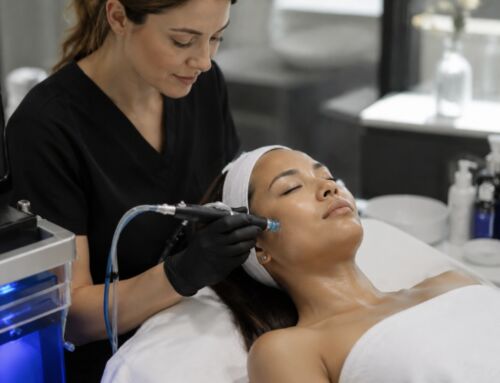
Microneedling, also known as collagen induction therapy, uses a professional microneedling device equipped with very fine needles. The device creates controlled microchannels in the skin at carefully selected depths.
These tiny needles do not remove large areas of skin. Instead, they create small, precise punctures that prompt the skin to begin repairing itself.
As healing starts, the skin releases signaling molecules involved in tissue repair. Fibroblasts, which help produce collagen and other structural proteins, become active. Over time, this process can support the formation of new collagen and elastin.
This is one reason microneedling has become a common cosmetic dermatology treatment for concerns such as acne scarring, fine lines, uneven texture, and general skin rejuvenation.
A clinical review published in the Journal of Cutaneous and Aesthetic Surgery describes microneedling as a technique that stimulates the skin’s natural wound healing response while supporting collagen formation and tissue remodeling.
The treatment sounds simple, but outcome quality depends heavily on proper patient selection, treatment depth, and technique. This matters even more when the goal is to improve more than surface texture.
How Microneedling Stimulates Collagen and Skin Remodeling
Microneedling’s main effect happens after the device leaves the skin.
The controlled micro-injuries created during treatment signal the body to begin a wound-healing response. This involves growth factors, fibroblast activity, and the production of new structural tissue.
Collagen plays an important role in skin strength and support. Elastin contributes to flexibility and resilience. As these structures gradually remodel, the skin may look smoother, firmer, and more even.
This process takes time.
Microneedling does not create its final result immediately after treatment. The skin continues to repair and reorganize tissue after the appointment, so improvement may develop gradually over several weeks.
Depending on the concern, we may recommend a series of treatments. Acne scarring, for example, may require a different treatment plan than mild textural irregularity or early fine lines.
This gradual collagen response also helps explain why clients who want natural-looking improvement rather than an abrupt change often choose microneedling.
Top Benefits of Microneedling for the Face

Microneedling can address several cosmetic concerns, but the benefit depends on what is causing the problem in the first place.
Smoother Skin Texture
Skin can become rough or uneven because of aging, previous acne, environmental exposure, or changes in collagen support.
By stimulating collagen production and tissue remodeling, microneedling may help improve the appearance of uneven texture. Some people also choose treatment when enlarged pores or general surface irregularity make the skin look less smooth.
The goal is not to erase normal skin texture. Healthy skin still has pores, fine lines, and natural variation.
A more realistic goal is gradual improvement in how smooth and balanced the skin appears.
Softer-Looking Fine Lines and Wrinkles
As collagen production changes with age, fine lines can become more noticeable.
Microneedling may help soften the appearance of certain lines by encouraging collagen and elastin remodeling. It is often considered for mild textural aging rather than deeper changes caused by significant volume loss or muscle movement.
That distinction is important.
A wrinkle created mainly by repeated muscle movement may respond better to Botox or Dysport. A hollow area caused by volume loss may need a different approach, such as dermal filler or Sculptra.
Microneedling works on skin quality. It does not perform the same job as an injectable treatment.
Improvement in Certain Acne Scars
Acne may clear, but scars can remain long after active breakouts are gone.
Microneedling is commonly used for atrophic acne scarring, which refers to depressed scars caused by tissue changes or loss. Clinical research suggests that rolling scars and some boxcar scars may respond better than deep ice pick scars.
Scar type, depth, location, and skin condition all affect the treatment plan.
A 2024 review examining the evidence behind microneedling discusses its use for acne scars, rejuvenation, pigmentation concerns, wrinkles, and other cosmetic indications, and notes that the strength of evidence varies by condition.
Microneedling is not normally performed over active inflammatory acne without proper assessment. The goal is to treat the right problem at the right time.
More Even-Looking Tone and Overall Skin Quality
Some clients choose microneedling because their skin looks dull, uneven, or less refined than it once did.
By supporting collagen remodeling, microneedling may help improve overall skin quality and the appearance of certain tone irregularities. It has also been studied for photodamage and selected pigmentation concerns.
However, pigmentation can be complicated.
Sun spots, post-inflammatory pigmentation, melasma, and other conditions can look similar but may respond differently to treatment. Before treating discoloration, it is important to understand what is causing it.
That is where a careful skin analysis becomes more useful than choosing a treatment based on a social media trend.
Who Is a Good Candidate for Facial Microneedling?
Microneedling may be appropriate for people who want to address concerns such as:
- Mild fine lines
- Uneven skin texture
- Certain enlarged pores
- Atrophic acne scarring
- Selected scars
- General skin rejuvenation
It has also been used across different skin tones. Because microneedling does not remove broad areas of the epidermis, it may be an option for people who need a more conservative approach to skin resurfacing.
Still, microneedling is not suitable for everyone.
Active acne, open wounds, local infections, active herpes lesions, certain inflammatory skin conditions, bleeding concerns, anticoagulant use, and a strong history of keloid scarring may affect whether treatment is appropriate.
Your provider should also review medications, recent procedures, skin care products, and your history of pigmentation changes before recommending treatment.
This is why a consultation matters. Candidacy depends on your skin’s condition, not simply your age or your desire for smoother skin.
Once treatment is considered appropriate, the next step is understanding what the appointment actually involves.
What Happens During a Professional Microneedling Treatment?
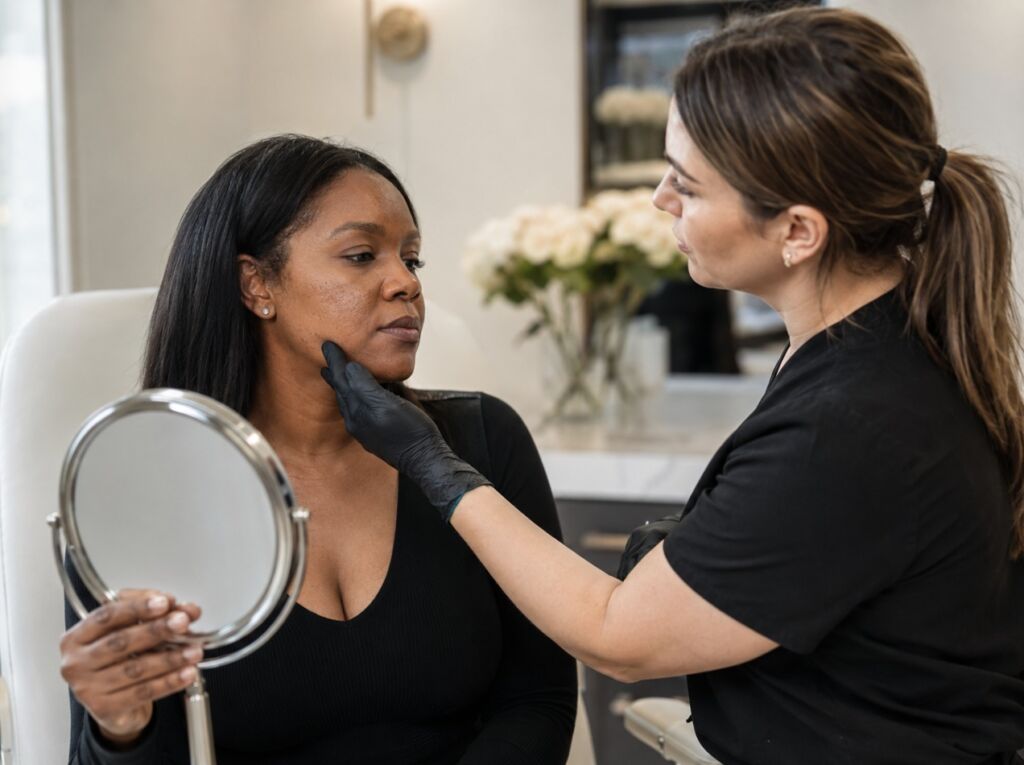
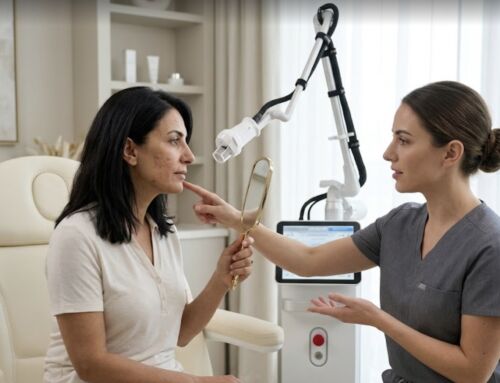
A professional microneedling appointment should begin with an assessment, not with the device.
At R Skin Aesthetics, the consultation helps us understand what you want to improve and which treatment makes sense for your skin.
Consultation and Skin Assessment
Your provider may look at:
- Skin texture
- Acne scarring
- Pigmentation
- Fine lines
- Current skin care
- Previous cosmetic treatments
- Medical history
- Desired level of improvement
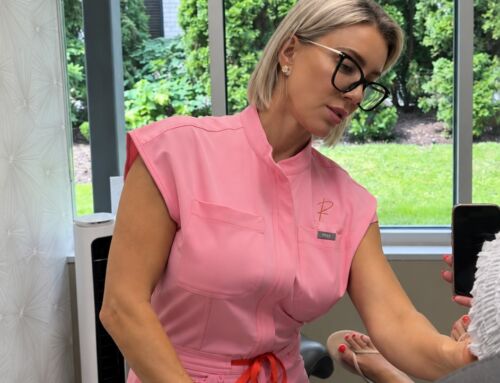
Raquel Merlini, RN, CANS, and Licensed Aesthetician, has a broad background in aesthetic injections, skin care, lasers, anatomy, aging, and facial treatments. That allows the conversation to go beyond one procedure.
Sometimes microneedling makes sense. In other cases, a chemical peel, laser treatment, facial, injectable, or combination plan may better match the concern.
Preparing and Numbing the Skin
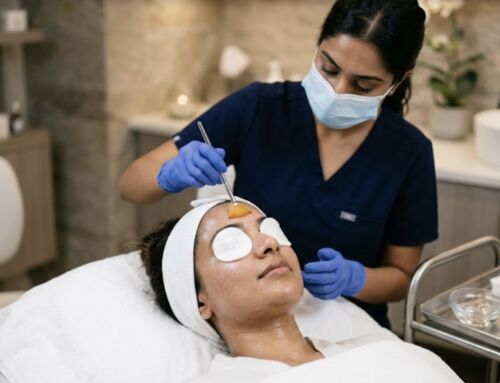
Before treatment, we cleanse and prepare the skin.
We may apply a topical anesthetic to numb the area and improve comfort during treatment. The numbing time can vary depending on the treatment plan and depth used.
Creating Controlled Microchannels
The provider moves the microneedling device across selected areas of the face.
Professional devices let the provider adjust needle depth based on the area, skin thickness, and concern being treated.
For example, the approach used for acne scarring may differ from one used for mild skin rejuvenation.
More depth does not automatically mean a better result. The goal is to create an appropriate level of controlled stimulation without treating more aggressively than necessary.
After the treatment, proper aftercare becomes an important part of the process.
Microneedling Downtime, Redness, and Post-Treatment Care
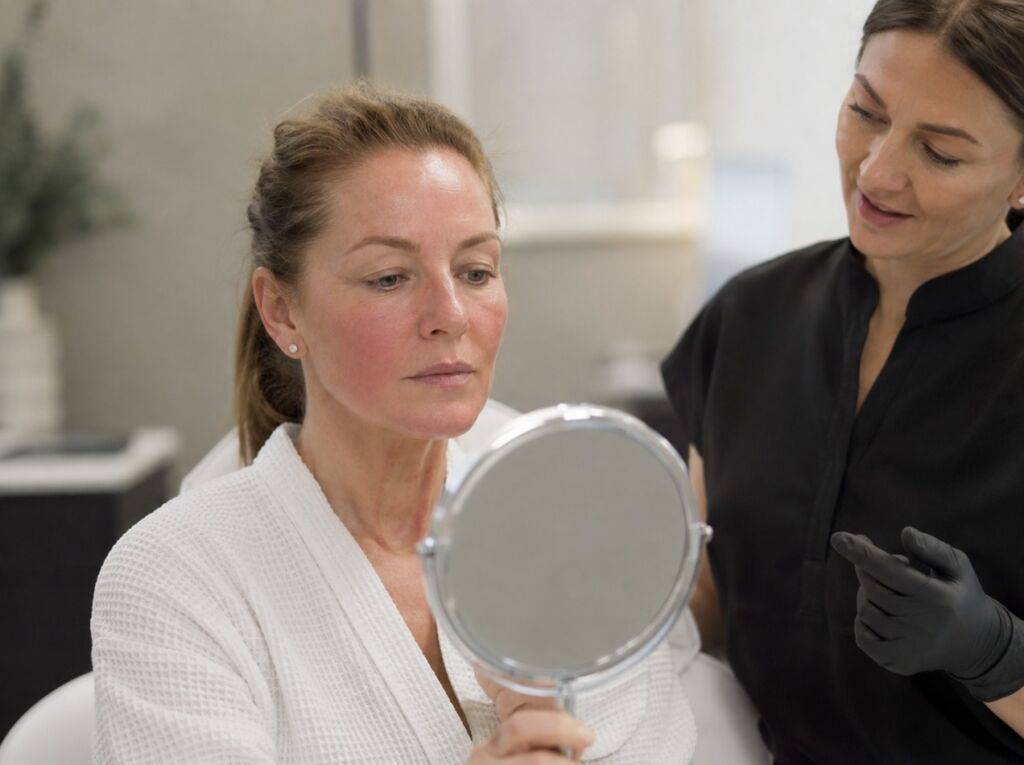
Microneedling is minimally invasive, but the skin still needs time to settle.
Temporary redness is common. Some people may also notice mild swelling, warmth, sensitivity, dryness, or tightness after treatment.
Downtime varies depending on treatment depth, skin sensitivity, and the area treated.
A general recovery timeline may look like this:
| After Treatment | What You May Notice | General Care Focus |
|---|---|---|
| First 24 hours | Redness, warmth, sensitivity | Gentle care and provider instructions |
| Next few days | Mild dryness, tightness, fading redness | Avoid unnecessary irritation |
| As skin settles | Gradual return to normal appearance | Gentle skin care and sunscreen |
| Following weeks | Progressive skin remodeling | Continue the recommended skin plan |
Your provider should give you specific post-treatment instructions.
Broad-spectrum sunscreen is especially important after microneedling. Protecting your skin from unnecessary sun exposure supports proper healing and reduces additional irritation.
You may also be advised to temporarily avoid strong retinoids, acids, scrubs, or other potentially irritating topical products.
A systematic review published in Dermatologic Surgery found that microneedling generally had a favorable safety profile in the studies reviewed, while still reporting temporary redness, swelling, and post-inflammatory hyperpigmentation among possible side effects.
Knowing what to expect after treatment makes it easier to plan appropriately, especially if you have work, travel, photos, or social events coming up.
How Many Microneedling Sessions Might You Need?
No single treatment schedule works for everyone.
Someone seeking mild improvement in skin texture may need a different plan than someone with deeper acne scars. The number of sessions can also depend on your age, treatment depth, healing response, and whether other procedures are part of your skin care plan.
Microneedling may be done in a series, with time between appointments to let the skin recover and keep remodeling.
It is also important not to judge the final result too soon.
Collagen production is gradual, and the skin can keep changing after visible redness disappears.
A personalized plan gives your provider time to evaluate how your skin responds and whether adjustments are needed.
For some clients, microneedling may remain the main treatment. For others, a different procedure may make more sense for another concern.
Microneedling vs. Other Skin Treatments at R Skin Aesthetics
Choosing between microneedling, lasers, peels, and injectables can be confusing because several treatments may appear to address similar concerns.
They do not all work the same way.
| Main Concern | Treatment That May Be Considered |
|---|---|
| Uneven texture, fine lines, acne scars | Microneedling |
| Surface buildup and peach fuzz | Dermaplaning |
| Surface discoloration and skin renewal | Chemical peels |
| Cleansing, exfoliation, and hydration | HydraFacial |
| Selected redness and pigmentation | IPL |
| Texture, redness, pores, collagen support | Laser Genesis |
| More intensive fractional resurfacing | Pearl Fractional |
| Expression lines | Botox or Dysport |
| Facial volume loss | Dermal fillers or Sculptra |
Microneedling mainly focuses on collagen induction and skin texture.
Dermaplaning works more superficially by removing dead skin cells and peach fuzz. Chemical peels use controlled exfoliation. IPL targets selected pigmentation and redness. Laser Genesis uses laser energy to address texture, redness, pores, and collagen support.
Botox and Dysport target muscle activity. Fillers and Sculptra address volume and structural changes through different mechanisms.
The right choice depends on what you want to improve and what is causing that concern.
That same logic applies to safety, because an effective treatment plan starts with knowing when not to treat.
Safety, Limitations, and Why Professional Assessment Matters
Microneedling has a well-established role in aesthetic skin care, but it still carries risks and limitations.
Temporary redness, swelling, irritation, dryness, and sensitivity can occur. Pigmentation changes are also possible, particularly in people who are prone to post-inflammatory hyperpigmentation.
Infection is another potential concern if the skin is treated improperly or sterile technique is not followed.
Microneedling cannot correct every wrinkle, scar, pigmentation concern, or degree of skin laxity.
Scar type matters. Skin condition matters. Treatment depth matters. Medical history matters.
That is also why home devices and professional microneedling shouldn’t be viewed as equivalent. Professional treatments require judgment about needle depth, treatment area, skin condition, and safety.
At R Skin Aesthetics, Raquel’s background as a Registered Nurse, Certified Aesthetic Nurse Specialist, and Licensed Aesthetician supports a treatment approach based on careful skin assessment, anatomy, clinical experience, and realistic expectations.
The goal is not to choose the most aggressive treatment. It is to choose the treatment that makes sense for your skin.
With that context in mind, the most common microneedling questions become easier to answer.
Frequently Asked Questions About Microneedling for Face
1. Is microneedling for face treatments good for your skin?
Microneedling may help improve skin texture, fine lines, certain acne scars, and overall skin quality by stimulating collagen production. It is not appropriate for every person or every skin condition. A professional consultation can help determine whether the treatment fits your skin concerns and health history.
2. How long does it take to see results from microneedling?
Results develop gradually because collagen remodeling takes time. Some people notice texture changes after the skin settles, while more meaningful collagen-related improvement may continue developing over several weeks. Timing varies by treatment depth, skin condition, age, and individual healing response.
3. Does microneedling help acne scars?
Microneedling may improve certain types of atrophic acne scars, including some rolling and boxcar scars. Deeper ice pick scars may respond differently and may require a different treatment strategy. Assess scar type and severity before creating a treatment plan.
4. How much downtime is there after microneedling for the face?
Downtime varies by person and treatment intensity. You may experience redness, mild swelling, sensitivity, dryness, or tightness for a short period after treatment. Your provider can give you a more specific expectation based on the treatment depth planned for your skin.
5. Is microneedling suitable for different skin tones?
Microneedling can be used in many skin tones, but treatment settings and pigmentation history still matter. People who are prone to post-inflammatory hyperpigmentation should discuss that history during consultation. Proper patient selection and aftercare are important for every skin tone.
Is Microneedling Right for Your Skin?
Microneedling can be a useful option for people who want gradual improvement in fine lines, acne scarring, uneven texture, and overall skin quality. Its ability to stimulate collagen production makes it a common choice for clients who want skin rejuvenation without dramatically changing their natural features.
The best treatment still depends on the cause of your concern.
At R Skin Aesthetics, we listen first, assess your skin carefully, and recommend treatments that fit your goals, comfort level, and long-term plan.
If you are considering microneedling for face rejuvenation in Birmingham, Detroit, or nearby Oakland County, schedule a personalized aesthetic consultation at R Skin Aesthetics to discuss your skin and see whether microneedling is the right place to start.