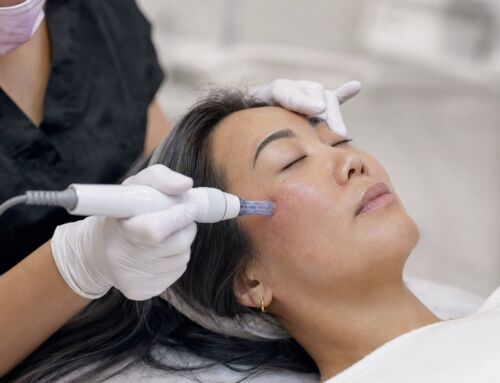
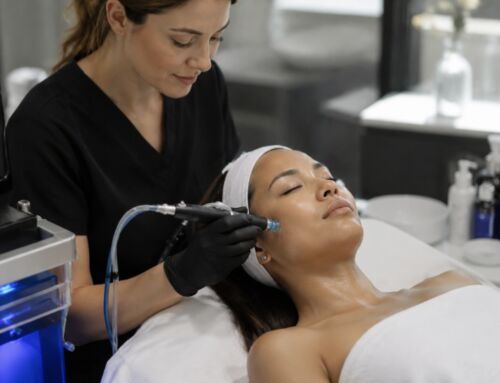
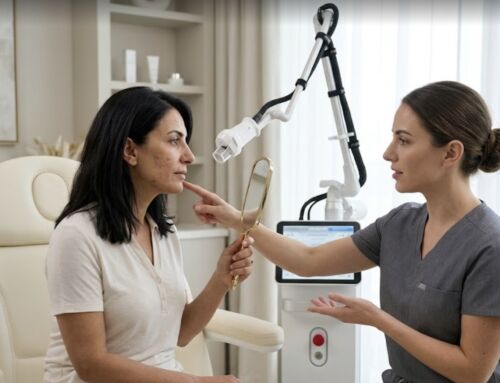
Facial wrinkles rarely appear overnight. For many people, the first signs are subtle. Smile lines linger a little longer, cheeks lose some of their natural fullness, or the lower face starts to look less defined than it once did. Even with a good skincare routine, these changes can make the face look tired or older than you feel.
That is why dermal fillers for wrinkles remain one of the most popular non-surgical cosmetic treatments. By restoring lost facial volume and supporting areas affected by aging, dermal filler treatments can soften facial wrinkles and create a refreshed appearance while preserving your natural features. At R Skin Aesthetics, patients from Birmingham, Detroit, and throughout Oakland County, MI, often choose dermal fillers for natural-looking results that are balanced, subtle, and personalized.
What You’ll Learn From This Article
- How dermal fillers help address wrinkles, volume loss, and facial aging
- The different types of dermal fillers and where they are commonly used
- What happens during a filler consultation and treatment appointment
- Typical recovery, side effects, and safety considerations
- How fillers compare to Botox, Sculptra, and other aesthetic treatments
- How to determine if dermal filler treatment may be a good fit for your goals
What Are Dermal Fillers and How Do They Help Reduce Wrinkles?
Facial aging involves more than changes in the skin. Understanding what causes wrinkles can help explain why fillers are often part of a comprehensive treatment plan.
Understanding Facial Aging Beyond Surface Wrinkles
As the years pass, the body gradually produces less collagen and elastin. Fat pads that provide youthful facial support may shrink or shift, leading to facial volume loss. The result is often a combination of:
- Facial wrinkles
- Deeper smile lines
- Marionette lines
- Hollow cheeks
- Sagging around the jawline
- Changes in facial contour
Many people focus only on the wrinkle itself. In reality, restoring support beneath the skin is often what creates the most natural improvement.
How Dermal Fillers Work
A dermal filler is an injectable treatment placed beneath the skin to restore lost volume and improve facial contours.
Depending on the treatment area and product selected, fillers may:
- Soften wrinkles and folds
- Restore facial volume
- Improve facial balance
- Support areas affected by sagging
- Enhance facial contours
Many modern injectable fillers also stimulate collagen production, which may contribute to ongoing improvement over time.
Understanding the different filler options available is the next step in deciding which treatment may be appropriate for your goals.
Types of Dermal Fillers Used for Wrinkles
Not all fillers are designed to do the same job. Different products have unique characteristics that make them suitable for specific concerns.
Hyaluronic Acid Fillers
Hyaluronic acid is a naturally occurring substance found throughout the body. It helps maintain hydration and volume within the skin.
Hyaluronic acid fillers are among the most commonly used injectable filler treatments because they provide smooth, natural-looking results and work well in multiple areas of the face.
Common treatment areas include:
- Nasolabial folds
- Marionette lines
- Lips
- Cheeks
- Under-eye hollows
Research published in Clinical, Cosmetic and Investigational Dermatology found that hyaluronic acid fillers using cohesive polydensified matrix technology provided effective soft tissue enhancement while maintaining natural tissue flexibility and integration.
Calcium Hydroxylapatite Fillers
Calcium hydroxylapatite is a mineral-like substance naturally found in bone.
Products such as Radiesse® provide immediate support while also encouraging collagen production. These fillers are often selected for deeper wrinkles and areas that benefit from additional structure.
Poly-L-Lactic Acid Fillers
Poly-L-lactic acid works differently from traditional fillers.
Instead of immediately adding volume, it stimulates the body’s natural collagen production over time. Results develop gradually, making it a popular option for patients experiencing more widespread facial volume loss.
Which Filler Is Right for Different Types of Wrinkles?
Choosing the right filler depends on several factors:
- Your facial anatomy
- Areas of volume loss
- Skin quality
- Treatment goals
- Desired timeline for results
An experienced injector looks at the entire face rather than focusing on a single wrinkle. This approach often creates a softer, more balanced outcome.
Once you understand the different products available, it becomes easier to see how fillers can be used throughout the face.
What Areas Can Dermal Fillers Treat for Facial Wrinkles?
Dermal fillers are highly versatile and can address multiple signs of aging in a single treatment plan.
Smile Lines and Nasolabial Folds
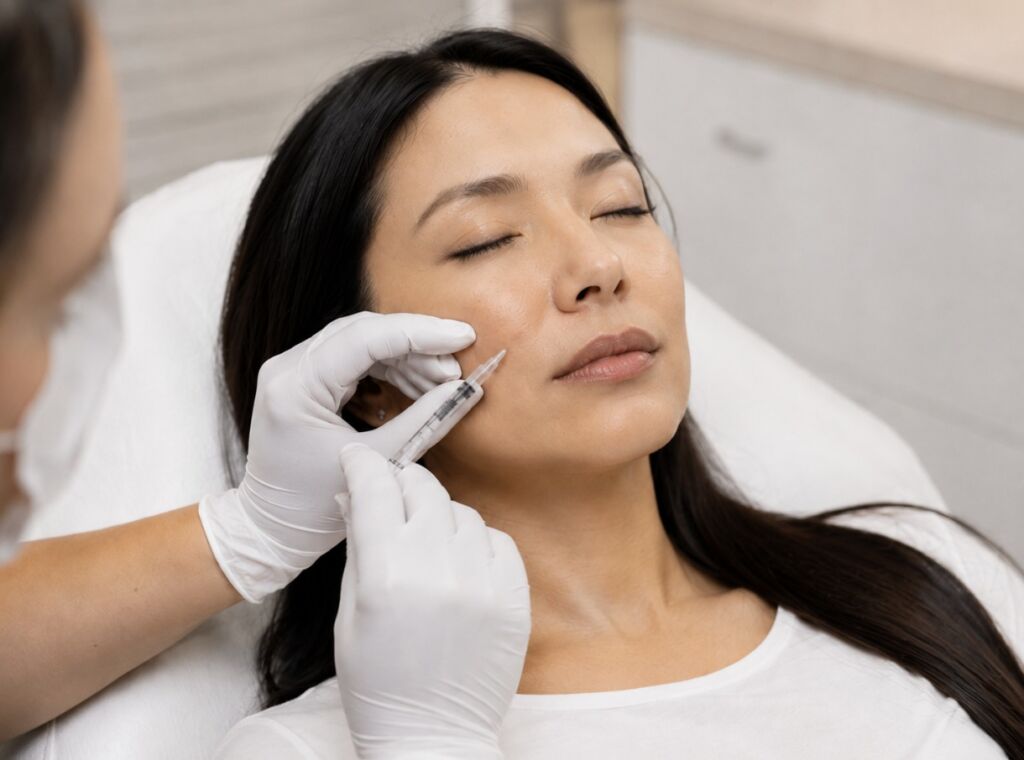
These folds extend from the nose to the corners of the mouth. Filler can restore support beneath the skin and soften the skin’s appearance.
Marionette Lines Around the Mouth
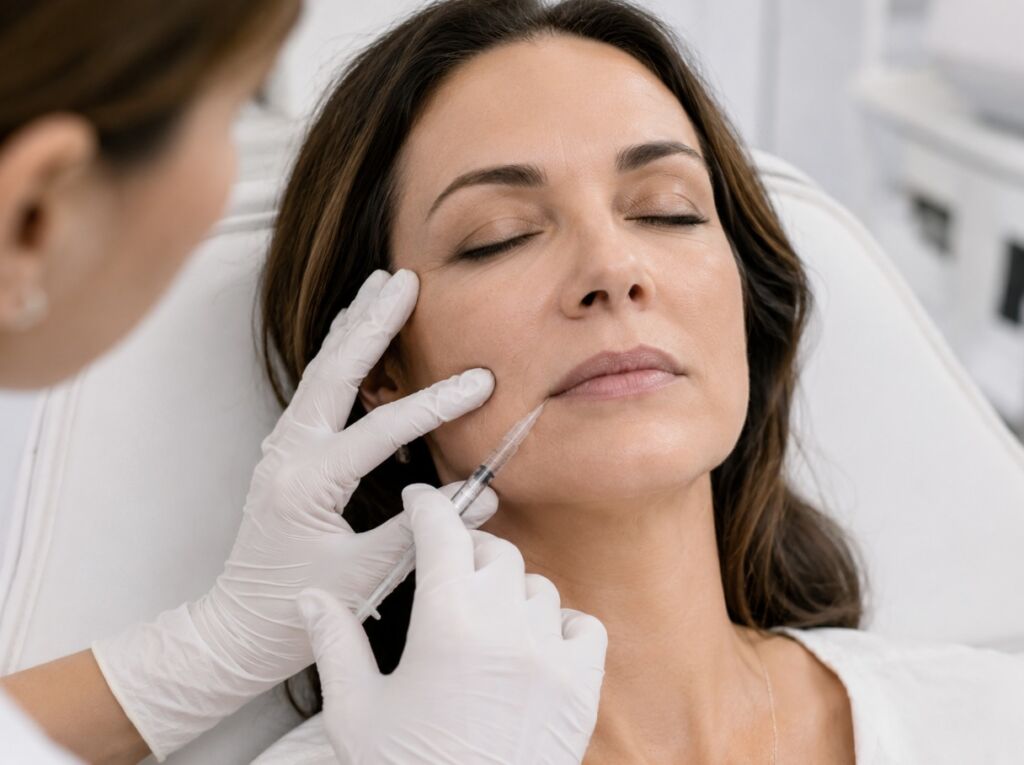
Lines that extend downward from the corners of the mouth can contribute to a tired appearance. Strategic filler placement may help improve balance in this area.
Cheeks and Midface Volume Loss
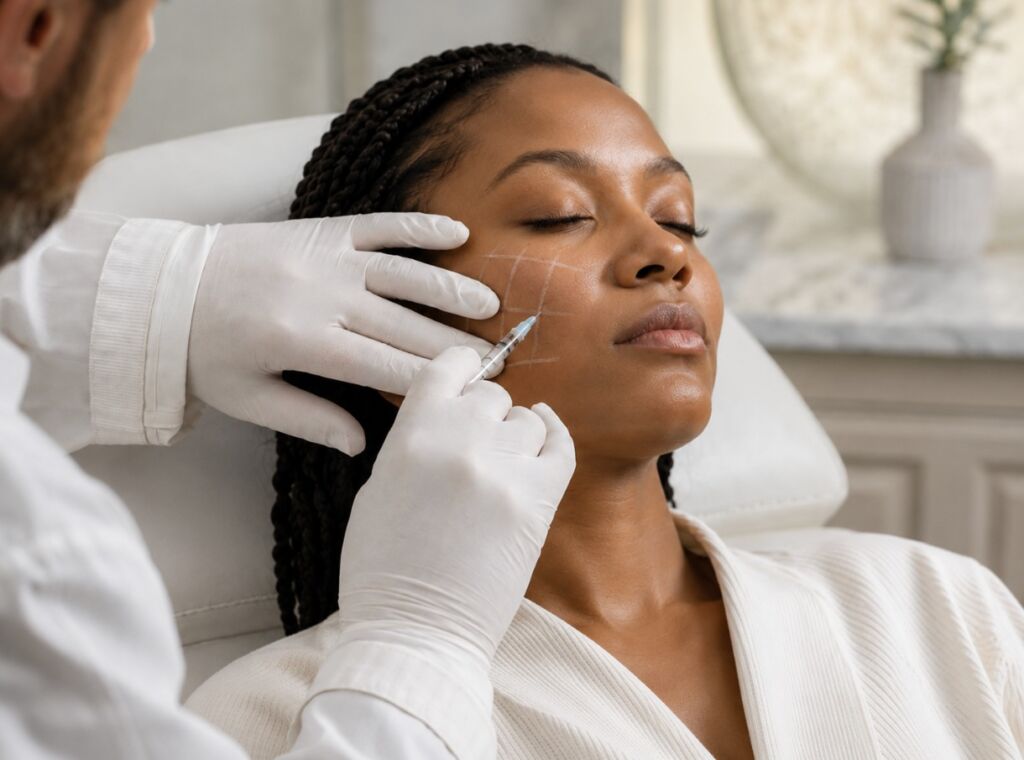
The cheeks often lose volume with age. Restoring midface support can improve facial contour and indirectly reduce the appearance of lower facial wrinkles.
Jawline and Chin Contouring
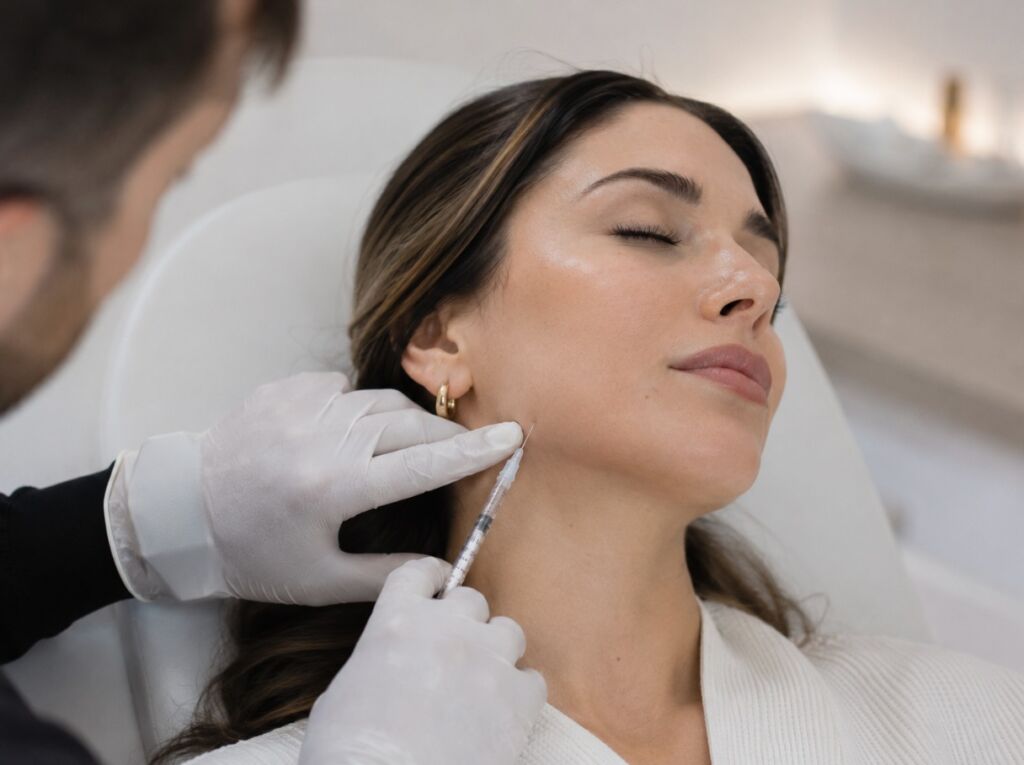
Fillers can improve jawline definition and enhance chin projection for patients seeking a more balanced profile.
Under-Eye Hollows
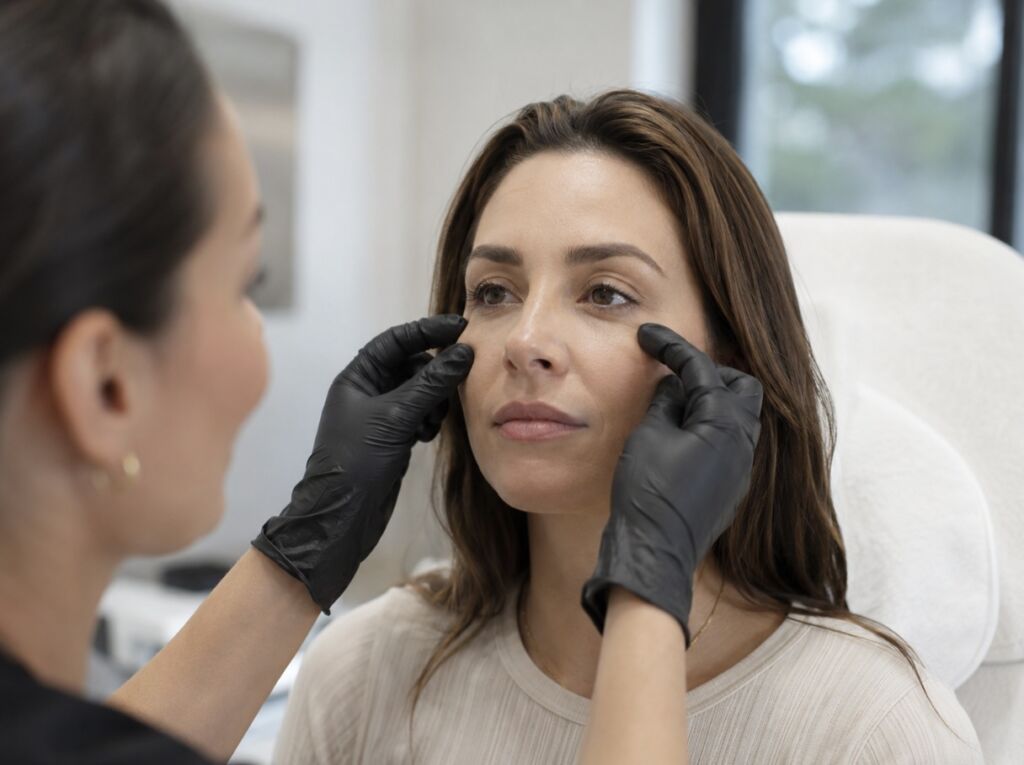
For carefully selected candidates, facial filler treatments may improve hollowing beneath the eyes and reduce a fatigued appearance.
Many patients in Birmingham and Detroit are surprised to learn that restoring volume in one area can improve the appearance of several others.
Knowing where fillers can be placed naturally leads to another common question: what actually happens during treatment?
What to Expect During a Dermal Filler Appointment at R Skin
For many first-time patients, understanding the process helps reduce uncertainty and build confidence before treatment.
Your Consultation and Facial Assessment
Every appointment at R Skin begins with a thorough consultation.
Raquel Merlini, CANS, brings more than 20,000 hours of aesthetic injection experience, extensive anatomy training, and years of experience working alongside plastic surgery professionals.
During your consultation, she evaluates:
- Facial structure
- Skin condition
- Areas of volume loss
- Existing wrinkles
- Overall facial balance
- Your personal goals
Most importantly, she takes time to listen. Recommendations are based on your features, not current trends.
The Injection Process
Treatment generally includes:
- Cleansing the treatment area
- Reviewing the treatment plan
- Marking injection sites when appropriate
- Administering the filler
- Assessing balance and symmetry throughout the procedure
Many injectable fillers contain lidocaine to improve comfort during treatment.
How Long Treatment Typically Takes
Most appointments take approximately 30 to 60 minutes, depending on the areas being treated.
Patients often return to normal daily activities shortly afterward, although temporary swelling or bruising can occur.
As with any cosmetic injection procedure, understanding recovery and aftercare is an important part of setting realistic expectations.
Recovery, Downtime, and Possible Side Effects
Most patients experience minimal downtime, but mild side effects are common after treatment.
Normal Post-Treatment Reactions
You may experience:
- Mild swelling
- Redness
- Tenderness
- Bruising
- Temporary firmness near the injection site
These effects typically improve within several days.
How to Minimize Bruising and Swelling
Your provider may recommend:
- Avoiding strenuous exercise for 24 hours
- Sleeping with your head elevated
- Limiting excessive heat exposure initially
- Following all aftercare instructions
When to Contact Your Provider
While serious complications are uncommon, it is important to contact your provider if you experience unexpected symptoms or have concerns during recovery.
A systematic review examining the safety and potential complications of facial wrinkle correction with dermal fillers reported that fillers generally have a favorable safety profile when administered by trained professionals, and highlighted the importance of prompt recognition and management of complications.
Many patients also want to know how long their results may last before deciding whether treatment fits into their long-term aesthetic plan.
How Long Do Dermal Fillers Last?

The longevity of a filler treatment depends on several factors, including the product used and the treatment area.
Factors That Influence Longevity
Results vary based on:
- Type of dermal filler
- Treatment location
- Individual metabolism
- Facial movement
- Lifestyle habits
Many hyaluronic acid fillers typically last between six and eighteen months, though results vary by patient.
Maintenance Treatments and Long-Term Planning
Rather than waiting for all filler effects to disappear, many patients choose maintenance treatments to preserve a consistent appearance.
A long-term strategy may include:
- Dermal fillers
- Botox
- Dysport
- Sculptra
- Microneedling
- Laser treatments
- Medical-grade skincare
This approach often creates gradual, natural-looking improvement over time.
Of course, fillers are only one option for addressing signs of aging. Understanding how they compare to other treatments can help clarify which approach may be best for your goals.
Dermal Fillers vs. Botox, Sculptra, and Other Wrinkle Treatments
Different concerns require different treatment approaches. The best recommendation depends on what is causing the visible signs of aging.
Different concerns require different treatment approaches. The best recommendation depends on what is causing the visible signs of aging.
| Treatment | Best For | How It Works |
|---|---|---|
| Dermal Fillers | Volume loss and static wrinkles | Restore facial volume and contour |
| Botox or Dysport | Dynamic wrinkles caused by muscle movement | Relax targeted facial muscles |
| Sculptra | Gradual facial volume restoration | Stimulates collagen production |
| Microneedling | Texture and skin quality concerns | Encourages collagen remodeling |
| Laser Treatments | Sun damage and skin resurfacing | Improves skin appearance and texture |
When Fillers May Be the Better Choice
Fillers are often recommended when volume loss contributes to wrinkles, folds, or facial sagging.
When Botox or Dysport May Be Recommended
Botox and Dysport target muscle activity that causes expression lines such as forehead wrinkles and crow’s feet.
When Sculptra or Skin Rejuvenation Treatments May Help
Patients interested in gradual collagen stimulation may benefit from Sculptra or other collagen-supporting treatments.
Why Combination Treatments Often Produce Natural Results
Many patients achieve the best outcome through a customized combination of treatments rather than relying on a single procedure.
The quality of your result depends not only on the product chosen, but also on the expertise of the person performing the treatment.
Choosing an Experienced Injector for Dermal Fillers in Birmingham & Detroit
Injector experience plays a major role in both safety and aesthetics.
Why Injector Experience Matters
Facial anatomy is highly complex. Successful treatment requires an understanding of:
- Blood vessels
- Facial muscles
- Fat compartments
- Structural support zones
- Product characteristics
A review published in Medical Science Monitor emphasized the importance of anatomical knowledge, injection technique, and patient selection in achieving safe aesthetic outcomes.
Questions to Ask During a Consultation
Before moving forward with treatment, consider asking:
- What training and certifications do you have?
- How frequently do you perform filler injections?
- Which filler do you recommend and why?
- What results should I realistically expect?
The R Skin Difference
Raquel Merlini’s background combines nursing, aesthetics, advanced injection training, laser services, and comprehensive skin analysis.
Her approach centers on:
- Personalized treatment plans
- Honest recommendations
- Clinical safety
- Natural-looking results
- Long-term skin support
Every treatment begins with listening and creating a plan designed specifically for you.
With the right provider and treatment plan, dermal fillers can become part of a thoughtful approach to facial aging rather than a quick fix.
Is Dermal Filler Treatment Right for You?
Dermal fillers may be a good option for adults who want to address facial wrinkles, volume loss, or changes in facial contour without surgery.
Good candidates often:
- Want natural-looking improvement
- Have realistic expectations
- Are generally healthy
- Prefer a personalized treatment approach
- Want to maintain their facial expressions and individuality
A consultation allows you to discuss your goals, review treatment options, and determine whether filler treatment aligns with your needs.
Frequently Asked Questions About Dermal Fillers for Wrinkles in Birmingham & Detroit
1. How much do dermal fillers for wrinkles cost in Birmingham & Detroit?
The cost depends on the type of filler used, the treatment areas involved, and the amount of product needed. A consultation provides the most accurate estimate based on your goals.
2. Do dermal filler injections hurt during treatment?
Most patients describe treatment as manageable. Many fillers contain lidocaine, and experienced injectors use techniques designed to improve comfort throughout the procedure.
3. How long does swelling last after dermal fillers for wrinkles?
Mild swelling often improves within a few days. Depending on the treatment area and individual response, minor swelling may last up to two weeks.
4. What is the difference between dermal fillers for wrinkles and Botox?
Dermal fillers restore facial volume and support, while Botox reduces muscle activity that contributes to expression lines. Many patients benefit from combining both treatments.
5. How long do dermal fillers for wrinkles typically last?
Results vary based on the product used, treatment area, and individual factors. Many filler treatments last between six and eighteen months before maintenance may be recommended.
Dermal Fillers for Wrinkles: A Personalized Approach to Aging Well
Facial aging affects every person differently. While wrinkles are often the most visible concern, volume loss and collagen decline frequently play an equally important role.
Dermal fillers can restore support beneath the skin, soften facial wrinkles, and improve facial contours when used thoughtfully and appropriately. The goal is not to change how you look. The goal is to help you look refreshed, balanced, and like yourself.
At R Skin Aesthetics, patients throughout Birmingham, Detroit, and Oakland County receive individualized recommendations based on their anatomy, goals, and comfort level. A personalized consultation can help you understand your options and decide what approach feels right for you.
Ready to Explore Dermal Fillers for Wrinkles in Birmingham & Detroit?
If you are considering dermal fillers for wrinkles in Birmingham, Detroit, or the surrounding Oakland County area, schedule a personalized consultation at R Skin Aesthetics. We will take the time to understand your goals, answer your questions, and develop a treatment plan designed around natural-looking results and long-term skin support.